


















































making it comfortable can make a big difference.
As the new academic year begins, moving to university for the first time can make even deciding what to take feel overwhelming.
From clothes and toiletries to kitchen equipment, documents and technology, knowing what you actually need can make the transition much easier.
The key is focusing on the essentials you will use regularly and leave space for the unexpected.
Student accommodation often has limited storage, while university life brings new routines, responsibilities and experiences that cannot be packed into a suitcase.
Whether you are moving into halls for the first time or leaving the family home, this guide covers what to take to university, what you can leave behind and how to prepare for those important first few weeks.
Bedroom Essentials
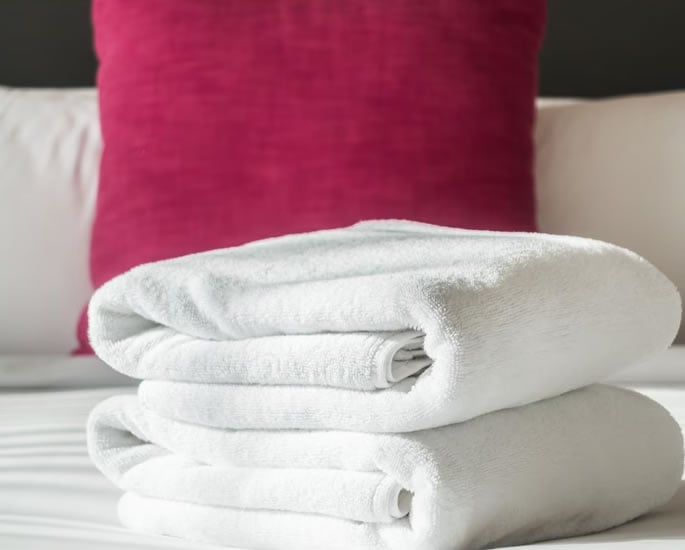
Your student room will probably become your bedroom, study space and relaxation area all rolled into one, so making it comfortable can make a big difference.
Alongside the essentials provided by your accommodation, think about practical items that can make everyday life easier.
Most student rooms come with a bed, desk, chair and wardrobe. However, rooms can be smaller than expected, so it is worth checking what is provided before packing too much.
Moving away from a familiar home environment can also take some adjustment. A few personal belongings can make an unfamiliar room feel more comfortable and familiar.
You may want to bring:
- A clothes airer
- A desk lamp
- Books, games or hobby items
- Bedding and pillows, if they are not provided
- A laundry basket
- A small fan
- Photos or meaningful decorations
- Storage boxes
- Towels
For students who are used to living with family, small reminders of home can be especially comforting during the first few weeks.
This could include photographs, a favourite mug, familiar snacks or other meaningful belongings.
However, check your accommodation rules before bringing electrical items, cooking equipment or decorations. Universities and private accommodation providers can have different requirements.
If you want to decorate your room, check the accommodation rules first. Removable adhesive strips may be preferable, but you should still make sure they are permitted and suitable for the walls.
Clothing & Toiletries

One of the easiest mistakes to make when moving to university is packing far too many clothes. Student rooms often have limited storage, so there is little point bringing your entire wardrobe.
If you are able to return home during holidays or reading weeks, you can swap clothes as the seasons change. This can also make it easier to keep your room organised throughout the year.
Focus on versatile pieces that work for lectures, everyday life and social occasions.
It is also worth preparing for unpredictable weather rather than packing only for the season you start university.
Consider taking:
- A waterproof coat
- Comfortable everyday shoes
- Everyday clothes
- Jumpers and layers
- Sleepwear
- Smart-casual outfits
- Sportswear
You do not need to buy an entirely new wardrobe before university. Start with clothes you already wear regularly, then pick up anything you genuinely need after arriving.
For your bathroom, pack the essentials you will need immediately rather than taking months’ worth of toiletries. You can buy replacements locally once you know what you use most.
Your first-day essentials should include:
- A dressing gown
- A wash bag
- Deodorant
- Shower gel and shampoo
- Skincare products
- Sliders or slippers if you share bathroom facilities
- Toilet roll for your first day
- Toothbrush and toothpaste
- Towels
If you are moving into shared accommodation, a wash bag can also make it easier to carry your toiletries between your room and the bathroom.
Check whether your accommodation has an en-suite or shared bathroom before deciding what you need.
Shared facilities may also mean you need items such as sliders, while some accommodation providers may already supply certain bathroom essentials.
Most importantly, do not panic if you forget something. Shops and supermarkets are widely available in university towns and cities, so you can pick up additional essentials after you arrive.
Essential Documents

Starting university involves more than packing your belongings and finding your accommodation.
The first few weeks can involve a surprising amount of administration, so keeping your important documents organised can save you time and stress.
The exact requirements vary between universities, accommodation providers and student finance arrangements.
However, it is useful to have key documents and identification readily available.
You may need to:
- Confirm your accommodation details
- Complete university registration
- Check your student finance information
- Provide proof of identity or address
- Set up a student bank account
Student Finance England says students need to register at their university before their first payment can be made.
You may also need to provide supporting evidence during the application process.
Before leaving home, consider keeping important paperwork together in a clearly labelled folder. You can also save digital copies securely on your phone or laptop where appropriate.
Useful documents may include:
- Your accommodation contract
- Student finance documents
- Proof of address
- Your university acceptance or offer letter
- Valid photo ID, such as a passport or driving licence
- Prescription information, if relevant
Do not carry original documents unnecessarily if a secure digital copy will be accepted.
For important identification, however, check exactly what your university or other organisation requires before relying on a copy.
For British South Asian students moving away from the family home, it can also be useful to agree who will keep copies of important paperwork.
A parent or family member may need to help finding a document quickly, particularly during the busy first few weeks.
If you realise you have forgotten something, do not panic. Depending on the document, it may be possible to download it, request another copy or have it sent to you.
Wellbeing Essentials

Moving away from home means adjusting to a new routine, environment and support network. Having the items you regularly rely on can make those first few weeks easier.
Think about the things you use regularly at home, particularly items that may be difficult or inconvenient to replace quickly.
Depending on your circumstances, these could include:
- Accessibility equipment
- Copies of prescriptions or relevant medical information
- Familiar comfort items from home
- Glasses or contact lenses
- Prescription medication
- A thermometer
- Over-the-counter pain relief or cold remedies, if you normally use them
If you take prescription medication, make sure you have enough for your immediate needs and know how to obtain further supplies after moving.
If you have a disability, long-term health condition or additional support needs, contact your university before arriving. Its disability, wellbeing or student support service can explain what assistance is available.
They may also be able to help arrange reasonable adjustments or other support for your course and accommodation.
It is worth making contact early rather than waiting until you arrive. Support can take time to arrange, and the process varies between universities.
This can also be an important opportunity for British Asian students to think about what support you normally rely on.
Make a note of any routines, equipment or practical help that you may need to manage independently.
Most importantly, do not feel that you have to prepare for everything alone. Your university’s support services can help you understand what is available and what you need to arrange before starting.
Kitchen Essentials

For many students, university is the first time they will regularly cook for themselves.
Most halls provide larger appliances such as ovens, hobs, fridges and kettles, but you will usually need to bring your own cookware and utensils.
Unless your accommodation already provides them, basic essentials can include:
- A chopping board
- A frying pan
- Cooking utensils
- Cutlery
- Dish cloths
- Kitchen knives
- Mugs and glasses
- Oven gloves
- Plates and bowls
- Saucepans
- Tea towels
Before buying everything yourself, check your accommodation’s inventory.
You should also speak to your future flatmates through accommodation group chats or social media groups, if available.
Agreeing who will buy shared items can prevent several people purchasing the same things. This can be particularly useful for larger or less frequently used kitchen equipment.
If you enjoy cooking at home, you may also want to bring a few ingredients you regularly use, provided your accommodation allows them.
For students who enjoy making familiar South Asian meals, having a few staple spices or ingredients can make cooking in a new environment feel more familiar.
However, check your accommodation rules before bringing electrical appliances. Some halls restrict items such as rice cookers, air fryers, toasters or other cooking equipment because of fire safety requirements.
Do not assume an appliance is permitted simply because you have used it at home. Check the specific rules for your accommodation before packing it.
Study Essentials

A reliable laptop is one of the most useful things to take to university. You are likely to use it for lectures, research, assignments, presentations and group projects throughout your degree.
A laptop, charger and headphones are usually enough to get started, although your course may have specific requirements.
Before arriving, set up your university email account and student portal if you have been given access.
These systems can provide important information such as timetables, course materials, announcements and assessment details.
Your essential technology could include:
- A laptop and charger
- Headphones
- An extension lead, if permitted by your accommodation
You do not need to arrive with a fully stocked stationery cupboard. Many universities use digital learning platforms, while some courses may have specific requirements.
A few basic supplies can still help you stay organised, particularly if you prefer taking handwritten notes or planning your workload on paper.
Consider packing:
- A diary or planner
- Highlighters
- Notebooks
- Pens and pencils
- Ring binders
- Scissors and a ruler
- Sticky notes
Before buying expensive equipment, check your course requirements and find out what facilities your university provides.
Libraries and study areas may have computers, printers and other resources available to students.
For students moving away from home, keeping important university accounts accessible from the beginning can also make the transition less stressful.
Save your university login details securely and make sure you know where to find key course information.
Specific Equipment

Not every university course requires specialist equipment, but some degrees have additional requirements that will not appear on a standard student packing list.
Course-specific equipment depends on your degree, department and the facilities available at your university.
For example:
- Art students may need specialist materials
- Music students may need an instrument or related equipment
- Science students may need a lab coat or specific safety equipment
- Sports students may need suitable training kit
Do not rush to buy expensive equipment before you know exactly what your course requires. Check your department’s guidance, course information or welcome communications first.
Your university may provide certain equipment, have it available through specialist facilities or recommend particular models.
Some departments may also provide information about where to buy required items.
If you are unsure, contact your department before spending money. This can help you avoid buying equipment that you do not need or that does not meet the course requirements.
What not to Bring
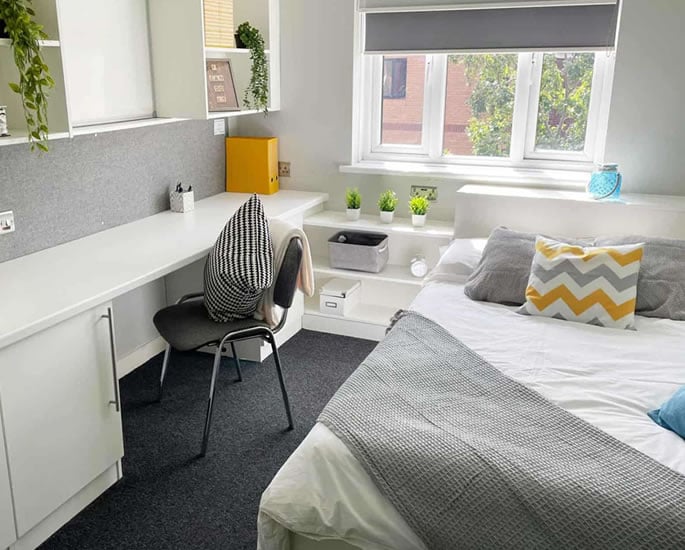
You do not need to arrive at university completely prepared for every eventuality. Most everyday essentials can be bought, borrowed or ordered once you have settled in.
One of the biggest mistakes is packing too much, particularly when storage space in student accommodation is limited.
Packing is important, but it is only one part of preparing for university. Knowing what to leave at home can be just as useful as knowing what to take.
You can usually leave items such as these at home:
- Bulky decorations
- Duplicate appliances
- Excessive kitchen equipment
- Furniture
- Large quantities of food
There is also usually little need to bring a printer. Many universities provide printing facilities through libraries, study spaces or other campus services, although availability varies.
If you are moving into shared accommodation, speak to your future flatmates before buying bulky or expensive items. You may be able to share certain things rather than filling your room with duplicates.
It is also worth checking your accommodation’s rules before bringing electrical appliances. Some items may not be permitted because of fire safety requirements.
Most importantly, do not put pressure on yourself to have everything worked out before your first day.
University is also about learning how to manage your independence, meet new people and settle into a new routine.
Preparing for university does not mean having every detail worked out before you arrive.
A practical approach is to pack the essentials, check what your accommodation and course provide, and avoid buying things you may not need.
Remember to organise important documents, prepare your technology and bring a few familiar items that can make your new surroundings feel more like home.
Anything you forget can usually be bought, borrowed or ordered once you have settled in.
Most importantly, give yourself time to adjust, meet new people and find your own routine as you begin this new chapter.