
















































"I never saw myself represented in the media"
In recent years, the world has witnessed a remarkable surge in South Asian women venturing into the world of business.
This wave of entrepreneurship is breaking stereotypes and empowering more South Asian women to pursue their dreams and ideas.
However, despite this progress, studies reveal that only two South Asian cities rank among the world’s top 50 places for women in the workplace.
Bengaluru, often referred to as India’s Silicon Valley, secured the 40th spot in the ranking of the best places for women in the workplace worldwide.
Delhi, the capital of India, found itself in the bottom half of the list, ranking at 49.
While Delhi has a thriving business ecosystem, it also faces various challenges, including gender disparities and safety concerns.
Even though it’s positive that these cities are gaining recognition, it highlights the challenges still faced by South Asian women.
It also shows the lack of awareness for the businesswomen from Pakistan, Sri Lanka, and other leading figures across the globe.
These rankings were determined through a collaboration between Dell, a major player in the technology industry, and the research company IHS Markit.
The assessment evaluates a city’s capacity to recruit and support women in expanding their enterprises, drawing input from female entrepreneurs, politicians, investors, the media, and educators in India.
In a society where women, especially in rural areas, are not always encouraged to dream big, numerous South Asian women have defied the odds and achieved remarkable success.
Their stories serve as a source of inspiration and encouragement for aspiring entrepreneurs.
Government Initiatives Empowering Women in Business
Different governments have taken proactive steps to promote women’s involvement in business.
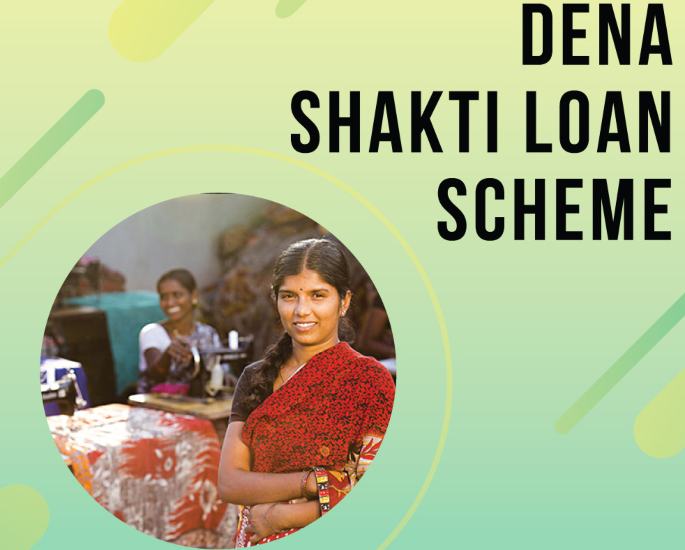
The Dena Shakti Scheme encourages women to enter traditionally male-dominated industries like agriculture, retail, and manufacturing by offering loans at a reduced interest rate.
Then there’s the Women Entrepreneurship Platform.
Launched by NITI Aayog, this platform offers seminars and courses to equip women with the confidence and skills needed to start their own businesses.
Furthermore, women have gained good support from Bharatiya Mahila Bank Business Loans.
Established in 2017, this initiative helps low-income women obtain loans for their entrepreneurial ventures.
Moreover, Sri Lanka’s National Entrepreneurship Development Programme has also benefitted many aspiring women.
The Sri Lankan government offers this programme to foster entrepreneurship among women and youth.
It provides training, mentorship, and financial support to aspiring entrepreneurs, including women.
In Nepal, female entrepreneurs can seek help from the Women Entrepreneurs’ Association of Nepal (WEAN).
The association organises training programmes, networking events, and advocacy efforts to promote women’s participation in business.
Furthermore, the Pakistan Women Entrepreneurs Programme (PWEP) is also a good initiative.
In Pakistan, the PWEP is designed to assist women entrepreneurs in establishing and expanding their businesses.
It offers training, access to finance, and business development support.
Lastly, businesswomen in Bangladesh can seek aid from the Bangladesh Women’s Chamber of Commerce and Industry (BWCCI).
The BWCCI is a prominent organisation that provides training, access to markets, and advocacy to enhance the participation of women in business.
These initiatives explain how South Asia is trying to grow the amount of women in different industries.
By providing these support schemes, aspiring and established businesswomen can feel secure in chasing their ventures.
South Asian Women Shaping the Future
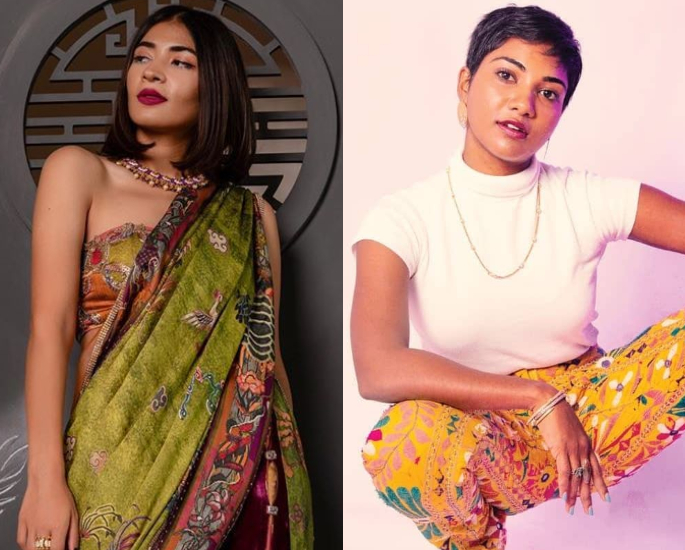
Whilst government support is always positive, has this made an impact on the amount of women we are seeing in different industries?
There is a lot of progress being made, and the following women highlight the changing face of the business world.
Vandana Luthra – VLCC
Vandana Luthra founded VLCC, a renowned name in beauty and fitness worldwide.
Starting in New Delhi in 1989, VLCC offers cutting-edge skin and hair treatments along with weight management programmes.
Vandana Luthra’s achievements have earned her numerous accolades, including India’s highest civilian honour, the Padma Shri.
Sairee Chahal – SHEROES
SHEROES, an online platform for women offering career guidance, job leads, coaching, legal assistance, and a therapy hotline, was founded by Sairee Chahal.
Her dedication to empowering women in the workforce has driven SHEROES to great success.
Rati Batra – YourHR
Rati Batra, an HR expert with a consulting background, is the founder and CEO of YourHR, a full-service HR consulting firm.
She aims to create a community that supports and promotes the achievements of strong, self-reliant women entrepreneurs.
Maheen Adamjee – Dot & Line
Maheen Adamjee founded Dot & Line in Pakistan, an online tutoring marketplace that connects students worldwide with qualified instructors.
She has used the COVID-19 pandemic as an opportunity to transition from physical to digital service delivery.
Savera Weerasinghe – Ananta Sustainables
Savera holds the position of Founder and CEO at Ananta Sustainables, a company in Sri Lanka dedicated to sustainable packaging solutions.
She is actively engaged in community initiatives addressing plastic waste and consumption issues in Sri Lanka.
Deepica Mutyala – Live Tinted
Deepica is the CEO of Live Tinted, a platform that empowers women of all backgrounds to explore self-expression through makeup and fashion.
Speaking on why she became an entrepreneur, she said:
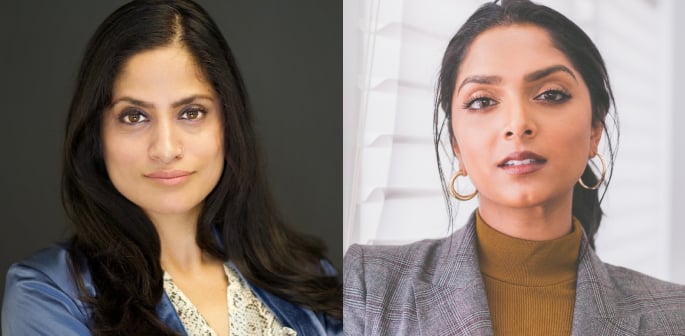
“Growing up in a traditional South Indian family in Texas, I never saw myself represented in the media.
“I grew up thinking that I wasn’t beautiful because the standards of beauty that were propagated in mainstream media did not reflect people who looked like me.
“This is why I wanted to create a beauty brand and be a CEO from the age of 16.”
“Conquering the world of business meant that I could be the role model to other young girls that I never had growing up and that’s what makes this all worth it.”
Maliha Rao – The PinkTree Company
Maliha Rao is the Co-founder of this Lahore-based fashion brand that specialises in contemporary and traditional clothing.
The brand is known for its unique fusion of traditional Pakistani design elements with modern fashion trends.
Maliha’s work has garnered attention both in Pakistan and internationally.
Mehak Saeed – Farida Hasan
Mehak is the founder of Farida Hasan, a high-end clothing brand that focuses on luxury bridal wear and formal attire.
Her designs have been showcased in Pakistan’s fashion weeks and have gained popularity for their intricate craftsmanship.
Manisha Raisinghani – LogiNext
Manisha Raisinghani co-founded LogiNext, a company providing SaaS solutions for better logistical and field service management.
LogiNext has rapidly grown, securing significant funding and making a mark in the tech industry.
Ridhi Tariyal – NextGen Jane
Ridhi is the founder of NextGen Jane, which focuses on empowering women to take control of their reproductive health through innovative genomic monitoring tools.
Her journey from the medical field to entrepreneurship reflects her commitment to making a difference.
Explaining her motivation for becoming a CEO, she stated:
“I spent a summer in India after graduating from HBS and before my final year at MIT, where I did an internship at a startup.
“During my startup internship, I realised that the intersection of startups and healthcare was where problems were being solved at a scale which was exciting to me.
“That’s where my startup career began and the rest is history.”
Ritu Narayan – Zum
CEO Ritu Narayan leads Zum, a student transportation startup that aims to revolutionise student mobility.
Her unique blend of personal and professional experiences equips her to address the challenges of student transportation effectively.
Speaking on her business venture, Ritu emphasised:
“Early in my career, I was able to see how iconic companies like eBay transform the world.
“But it struck me how there are so many simple problems that are still waiting to be solved. This is where Zum originated.
“When my younger child started going to preschool, pick up and drop off became a huge problem for me.
“It led me to wonder why something didn’t exist to solve the problem of school transportation for parents.”
Priya Abani – AliveCor
Priya Abani took the helm as CEO of AliveCor, a company providing medical-grade ECG monitoring through mobile devices.
Her extensive experience in technology and healthcare drives AliveCor’s innovative approach to cardiovascular health.
She revealed that her father’s passing motivated her to do something she’s passionate about, which is healthcare.
Priya continues to reinvent the technology sector and make a difference for thousands of people.
Dr. Vani Kola – Kalaari Capital
Dr. Vani Kola, the founder of Kalaari Capital, plays a pivotal role in shaping the venture capital landscape in India.
With numerous successful investments and her involvement in encouraging female leadership, she continues to inspire future entrepreneurs.
These remarkable women are not only achieving success in the business world but are also actively involved in initiatives that uplift their communities and advocate for women’s rights.
Through their efforts, they are helping women in South Asia overcome barriers and embrace the opportunities presented by the digital economic growth accelerated by the pandemic.
The stories of these South Asian women entrepreneurs serve as a testament to the power of determination, innovation, and resilience.
They have shattered stereotypes, broken down barriers, and paved the way for countless others to follow in their footsteps.
In a rapidly evolving business landscape, these women continue to inspire and shape the future of entrepreneurship in South Asia and beyond.
Their journeys reflect the strength of South Asian women and the endless possibilities that await those who dare to dream and take bold steps towards their entrepreneurial goals.