

















































"We wanted to build a device that's safe by design"
iPhone users concerned about screen time and online safety now have a new option.
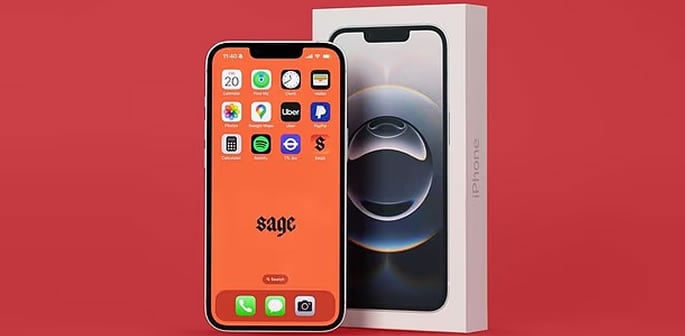
Techless, a US-based company, has launched its Sage Mobile brand in the UK, offering stripped-back iPhones aimed at protecting children from the dangers of digital life.
The company claims its devices can reduce exposure to harmful content and distractions by design, not surveillance.
The launch follows a survey by Internet Matters that found 63% of UK parents believe time online negatively affects their children’s health, including sleep.
Meanwhile, 67% reported their children had harmful online experiences.
Sage Mobile includes two modified Apple devices, the iPhone 16e and iPhone 16 Pro, with Sage’s bespoke operating system. Plans start at £99.95 per month, with a £119 setup fee.
The company says the phones come without social media, web browsing or app store access. It adds that features like explicit image detection and factory reset prevention offer parents added control.
Pre-installed apps include Spotify, Uber, and Google Maps, as well as core tools such as messages, camera and calendar.
Sage’s selling point is what it calls “system-level functionality”, which the company claims has been granted by Apple. That means Sage software can’t be removed, bypassed, or disabled like regular parental control apps.
Chris Kaspar, CEO and founder of Techless, said:
“We didn’t want to build a ‘parental control’ phone.
“We wanted to build a device that’s safe by design, not safe by surveillance. With Sage, we’ve created a smartphone that helps people reconnect with real life, not just reduce screen time.”
The original Sage phone, Wisephone, has already sold out four times in the US. But Sage’s UK pricing has drawn concern about affordability and accessibility.
Professor Sonia Livingstone, Professor of Social Psychology at the London School of Economics, said:
“Clearly, the price tag is beyond the means of most parents, so if it does bring benefits, they can only be at the cost of increased social inequalities.
“More importantly, it is hard to see how this phone will solve the problem.
“Research shows that young people gain many benefits from both social media and web browsing, though of course efforts to prevent the risks are important.
“Research shows that only a minority of young people have problematic internet use, and that many are learning the skills to become resilient and able to manage their own phone use in the future, which is also important.
“This new phone comes at an odd time, given that this is the month in which Ofcom safety regulation comes into force, and parents are promised by the regulator that phones and internet use will be safer in a matter of months.
“We already see companies introducing improved safety services.”
Professor Livingstone, who has advised the UK government, the EU and UNICEF on internet safety, acknowledged that the Sage devices may appeal to concerned parents.
She added: “But, research also shows that what really matters is the communication and understanding between child and parent, and such a restriction may lead some to seek a workaround, which will be even harder for parents to manage.”
How to Make Your Child’s Phone Safer?
While some parents may be tempted by Sage’s promise of simplicity, there are other, and often cheaper options already available on Apple and Android devices.
iPhone users can use Apple’s Screen Time feature to set app limits, restrict content and manage downloads. If set up using Family Sharing, parents can do this remotely. However, there are known loopholes that some children can exploit.
Android users can turn to Google’s Family Link, which allows parents to monitor screen time, block websites, set “school time” schedules and prevent unauthorised purchases or downloads.
There are also third-party parental control apps like Qustodio, Mobicip, ParentShield and Norton Family, which provide more advanced controls at a lower cost. While many offer VPN monitoring and app blocking, determined teens may still find workarounds.