












































It's a visual spectacle of vibrant colours
Lohri, a celebration deeply rooted in cultural traditions, marks the end of winter and the onset of longer days.
From the flickering flames of bonfires to the rhythmic beats of traditional dances, Lohri is all about warmth, unity, and cultural richness.
The festive extravaganza has a catalogue of heartwarming traditions that make this celebration a cherished occasion.
Originating in Northern India, the festival ignites joy among the Punjabi community. But, it has been known to occur across many South Asian communities.
For example, Lohri is a massive day in the UK and families gather around to share laughter, food, and thanks.
Let’s dive into the heart of this festival, exploring the key traditions that make it a cherished and meaningful event.
Lighting the Bonfire

At the core of Lohri festivities lies the tradition of lighting a bonfire, known as the “Lohri di ag”.
This age-old ritual is a symbol of reverence to the natural elements, particularly fire, which has been an integral part of various cultural ceremonies across the world.
The bonfire signifies the end of the chilling winter and welcomes the warmth of the sun.
Lighting it collectively embodies the spirit of community and the shared joy of bidding farewell to the cold season.
The dancing flames show the collective spirit of the community to celebrate the changing seasons.
In recent years, the bonfire has also been a way to celebrate any newborns in the family, signifying the start of new life.
Dance and Music

No Lohri celebration is complete without the energetic beats of the dhol and the lively Bhangra performances.
The dance and music during Lohri create an atmosphere of exuberance and are a testament to the rich cultural heritage of Punjab.
The rhythmic beats and lively dance symbolise the gratitude towards nature for the bountiful harvest and the promise of prosperity in the coming months.
It’s a joyous expression of appreciation for the abundance provided by the land.
Dance and music have a unique way of bringing people together.
During Lohri, these cultural expressions serve as a form of thanksgiving for the blessings received.
Traditional Attire

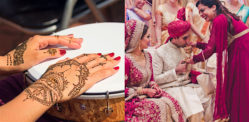
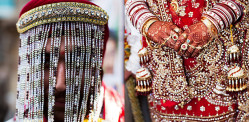
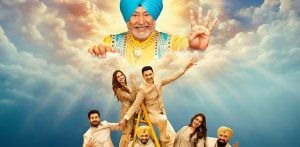
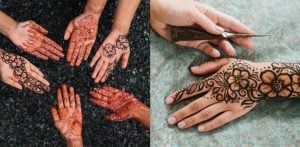
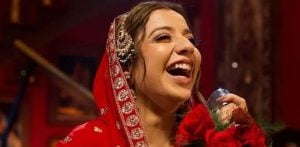
Lohri is not just a festival; it’s a visual spectacle of vibrant colours and traditional attire.
The men adorned in colourful turbans and the women in intricate Phulkari-embroidered suits contribute to the festive grandeur.
The traditional outfits worn during Lohri are a homage to the heritage of Punjab.
Each element of clothing carries historical significance and represents the artistic craftsmanship of the region, which is seen across the world in those celebrating.
Wearing traditional attire during Lohri is a way of preserving and celebrating the cultural identity.
It serves as a visual reminder of the deep-rooted traditions that connect the present generation with their ancestors.
Sweets and Savouries

No festival is complete without indulging in delectable treats, and Lohri is no exception.
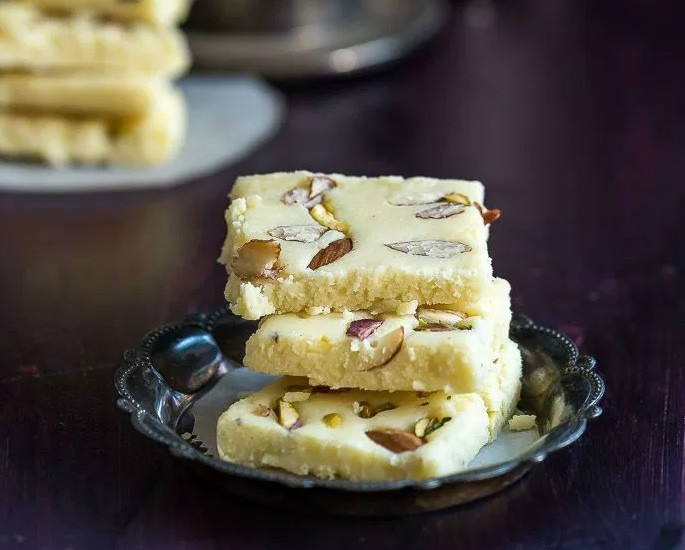
Gajak, rewari, and sesame seeds (til) are among the traditional sweets that add a sweet touch to the celebration.
The preparation and sharing of sweets symbolise the sweetness of life and the importance of sharing joy with others.
These culinary delights are more than just food; they are an integral part of the festive experience.
Likewise, sarson da saag and makki di roti, comprised of prepared mustard green leaves and cornmeal flatbread typically constitute the main course of a traditional Lohri dinner.
Lohri is a time for feasting and sharing, reinforcing the values of community and togetherness.
The exchange of sweets is not just a gastronomic delight but also a gesture of goodwill and unity.
Prayers and Offerings
As the bonfire illuminates the night sky, prayers and offerings are made to seek blessings for a prosperous future.
This spiritual aspect adds a profound layer to the Lohri celebration.
The prayers and offerings are a way of expressing gratitude for the abundance of the harvest and seeking guidance for a fruitful year ahead.
It is a moment of reflection and connection with the divine.
As the bonfire roars and the beats of the dhol echo, Lohri becomes more than just a festival; it becomes a celebration of life, gratitude, and the enduring spirit of Punjab.
Lohri, beyond being a seasonal celebration, embodies the spirit of togetherness and cultural heritage.
The crackling bonfires, the lively dances, and the soulful songs all come together to create an atmosphere of joy and unity.
In the embrace of Lohri’s glow, communities gather, sharing laughter, stories, and the richness of festive foods.
It’s not merely a festival; it’s a reflection of the shared history, folklore, and the agricultural cycle that binds people together.