















































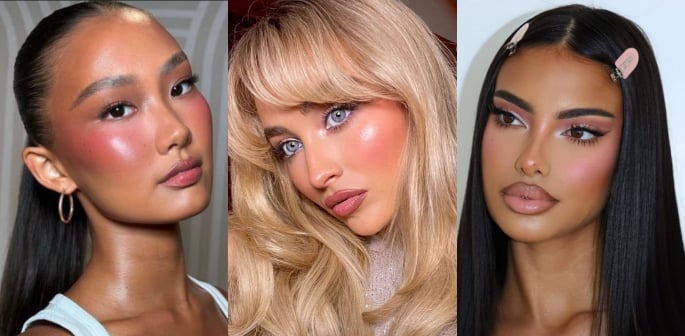
Not every face suits extreme colour payoff.
A new makeup obsession is sweeping through TikTok and Desi beauty routines, and it’s making people rethink their entire perspective on blusher.
It’s called blush blindness, and it’s not just about pink cheeks.
From viral tutorials to GRWM reels, the trend involves piling on blush until it no longer looks excessive, even if it is.
Many wearers now crave stronger pigment, almost forgetting how little they used before.
This isn’t just a phase for content creators.
South Asian beauty lovers are also embracing brighter hues, dramatic placement, and full-face flush.
It’s expressive, bold, and rooted in more than just aesthetics.
Some argue it’s a fun way to play with colour, while others wonder if it’s blurring our perception of proportion.
The conversation extends far beyond makeup to encompass self-image and digital influence.
So, is blush blindness changing how we define beauty, or is it just another online fad that will fade as quickly as it appeared?
Let’s break it down.
What is Blush Blindness?
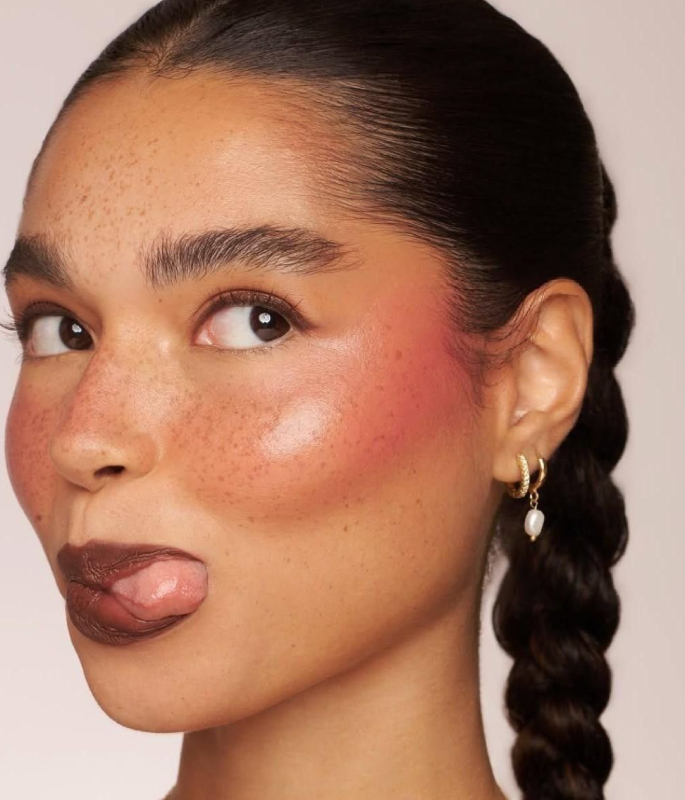 Blush blindness describes a makeup phenomenon where someone becomes so accustomed to wearing intense blush that it no longer looks excessive to them.
It happens gradually, often without the wearer noticing.
TikTok creators have fuelled the trend, showing themselves layering multiple pinks, reds, and peaches until their cheeks nearly glow.
Then they step back, shocked by how much product they applied.
The term started as a light-hearted joke, but it’s become a real point of discussion among beauty lovers.
Some say it reflects how easily we normalise exaggerated trends.
In essence, blush blindness occurs when your eyes adapt to bold colour, making you crave more to achieve the same perceived effect.
Like perfume, the more you use it, the less you notice.
While it’s mostly seen as a fun experiment, the concept raises questions about how social media impacts our makeup habits and what we see as “normal” or “enough.”
Blush blindness isn’t about right or wrong.
It’s about how we navigate personal expression in a world where trends evolve faster than we can keep up.
Why South Asians are Loving the Look
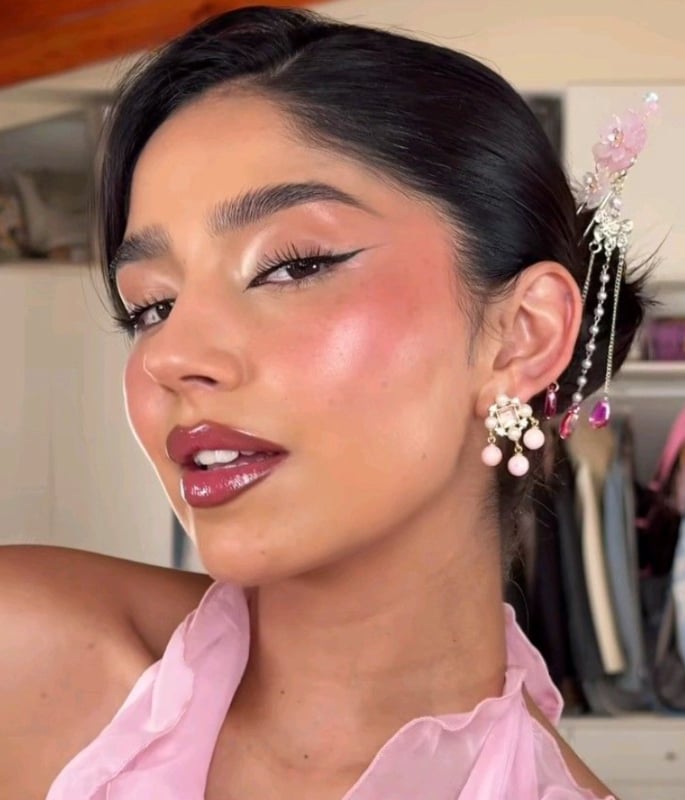 For many South Asians, blush has always played a subtle but important role in bridal and party looks.
But now, it’s taking centre stage in everyday routines too.
Desi beauty lovers are embracing brighter, bolder tones that pop against melanin-rich skin, from deep berry shades to vibrant tangerine hues.
This trend celebrates rather than hides our natural warmth.
Unlike the pale pinks often marketed by mainstream Western brands, these richer hues offer something more flattering and vibrant.
They add dimension, radiance, and confidence to even the simplest makeup.
Blush blindness lets South Asian makeup users reframe beauty standards that often didn’t include them.
It’s an act of visibility and defiance against Eurocentric ideals.
Social media influencers like Shina Rai, Arshia Moorjani and Kaushal have embraced heavy blush as a beauty signature, encouraging others to do the same unapologetically.
For many, wearing more blush is not just a trend.
It’s a celebration of identity, colour, and the freedom to glow without restraint.
When is Too Much Blush Too Much?
 While blush blindness may feel empowering, it also walks a fine line between fun and overwhelming.
What looks good in selfies might appear clownish in daylight or under harsh lighting.
Makeup artists advise being mindful of your environment and the overall balance of your look.
If blush becomes the sole focal point, it can clash with other elements, such as bold lips or heavy eye makeup.
Some beauty fans also worry about makeup fatigue, where trends become exhausting rather than exciting.
Applying layers of blush daily might feel like pressure, not play.
There’s also the issue of product waste and overspending, especially when people chase viral trends rather than personal preferences.
Not every face suits extreme colour payoff.
It’s worth asking whether you’re applying blush for your joy or just to fit in with what’s currently popular online.
The difference matters more than you think.
Ultimately, it’s about intention. Blush should enhance, not overwhelm. If the look starts to feel like a costume, it might be time to take a step back.
The Psychology Behind Trend-Driven Beauty
 Blush blindness taps into the psychology of habit, desensitisation, and approval.
The more we scroll through blush-heavy content, the more natural it starts to seem.
Beauty trends spread fast, but our brains adjust slowly. As bold looks become the norm online, our real-life standards shift too.
We stop noticing intensity and start seeking it.
Likes, comments, and shares reinforce these behaviours.
Social media rewards excess and extremes, pushing people to experiment further to gain attention or validation.
For South Asians, there’s added complexity. Many grew up in environments where makeup was either discouraged or expected to be subtle.
The current blush boom flips that script completely.
It also speaks to a larger desire to stand out, reclaim space, and feel seen.
For some, exaggerated blush isn’t about fashion. It’s about finally feeling beautiful on their terms.
Trends will come and go, but understanding why they resonate helps us choose what works for us, rather than simply copying what we see.
The trend shows that makeup can be a joyful act of self-discovery, not a rigid set of rules.
That said, being aware of how your perception shifts is crucial.
You should wear makeup because it makes you feel good, not because it keeps up with a scroll.
If you like the look, wear it with pride. If not, skip it without guilt. Beauty is personal, not performative.
In the end, blush blindness isn’t bad or good.
It’s just another reminder that in makeup, as in life, more isn’t always more unless you want it to be.