


















































"if the content becomes repetitive, people have so many other options.”
Young British Asians are watching fewer Bollywood films than previous generations, as their entertainment choices become increasingly diverse.
Hindi films once gave parents and grandparents a strong connection to India, while stars such as Amitabh Bachchan, Shah Rukh Khan and Kajol became familiar figures across generations.
Today, that relationship is more complicated. Young British Asians are increasingly watching less Bollywood, although some continue to watch Hindi films regularly.
This does not mean Bollywood has disappeared from British Asian culture. Its songs still feature at weddings, while older films remain powerful sources of nostalgia.
So, why do young British Asians watch less Bollywood?
Bollywood Influence Once Connected Generations
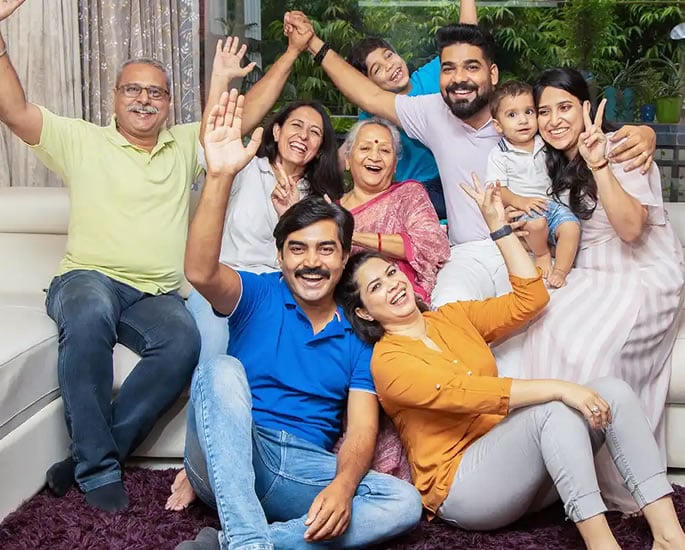
For British Asians who grew up watching Bollywood during the 1990s and 2000s, the films were typically part of childhood and family life.
Journalist Shamim Chowdhury recalled discovering Amar Akbar Anthony as an eight-year-old.
She described Indian cinema as the part of her ancestral heritage that particularly connected her generation with South Asia.
That connection extended beyond the films themselves.
Research into second-generation British Indians found that Bollywood could shape ideas around identity, family and cultural expectations, including attitudes towards marriage, gender, sexuality and relationships between generations.
In some households, watching Bollywood was simply something families did together.
Parents and children could share films, follow the same stars and know the songs, creating a connection with Indian culture that existed alongside their British upbringing.
As those audiences have grown up, however, their relationship with Bollywood has changed.
More Choices

One major change is the sheer amount of entertainment available to young audiences today.
Ofcom found that just 45% of 16-24-year-olds watched broadcast television weekly in 2024. The same group watched an average of 17 minutes of live television each day, while YouTube continued to attract their attention.
Sahaj told DESIblitz: “There is so much more content to see and watch today, so if the content becomes repetitive, people have so many other options.”
Bollywood once faced less competition for viewers’ attention. Young audiences can now choose from streaming platforms, social media, international films and South Asian content from across the world.
A new Hindi release is therefore competing with entertainment from far beyond India.
Korean entertainment is one example of how international content has become part of mainstream viewing. Netflix reported in June 2025 that more than 80% of its subscribers had watched Korean content.
This shows how much easier it is for younger audiences to discover entertainment beyond the cultural preferences they grew up with.
Repetition can push Viewers Away

Greater choice has also made audiences more selective about what they watch.
Aarya still watches Bollywood films and believes certain films stand out when their stories feel genuine and relatable.
She said: “I think Zindagi Na Milegi Dobara stands out because it focuses on friendship, personal growth, and relationships.”
The film remains an example of how younger viewers can connect with Bollywood when its stories reflect experiences that feel relevant to their lives.
But repetitive storylines can have the opposite effect.
On Reddit, one person stated that they stopped watching Bollywood films regularly because of the prevalence of “musical romance dramas with predictable plots”.
Another viewer described becoming more selective with Bollywood films, choosing certain films rather than following every new release.
As a result, watching fewer Bollywood films does not necessarily mean losing interest in it altogether. Viewers may simply be choosing the films that give them a reason to watch.
Representation doesn’t Always feel British Asian
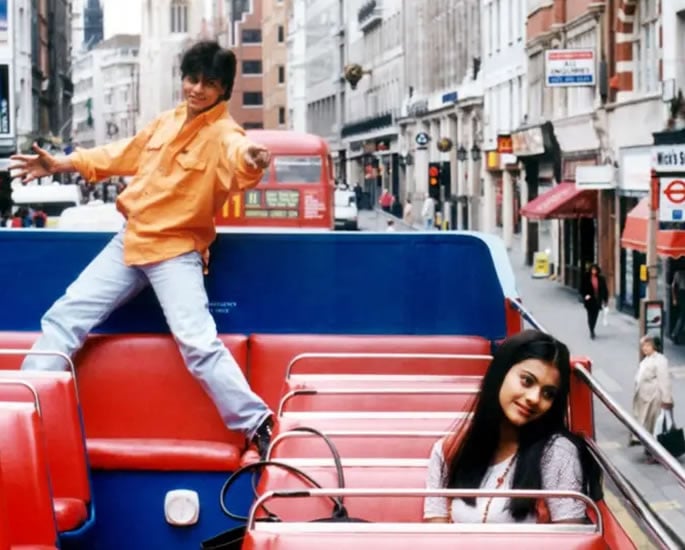
Some young British Asians are watching less Bollywood because they do not always see their own experiences reflected on screen.
Bollywood has often used non-resident Indian characters to explore the relationship between India and the West. Films such as Dilwale Dulhania Le Jayenge helped establish a successful formula around young Indians living abroad.
For some diaspora viewers, however, these characters do not always reflect what it is actually like to grow up outside India.
Richa Kapoor discussed the pressure surrounding what it means to be “Indian”.
She told VICE: “I’d be fuming if anyone dared to question whether I’m ‘Indian’ enough.”
In British Asian communities, identity is not necessarily about constantly proving cultural authenticity. It can involve British experiences, South Asian heritage and influences from both.
Maansi Kalyan similarly criticised Namastey London for presenting dual heritage too simply.
Kalyan said:
“Living with dual heritage is not as easy or convenient as Bollywood showcases.”
She also argued that the film presents Western influence in a one-dimensional way while overlooking the different experiences of people living in the diaspora.
In Britain, that gap can make some Bollywood portrayals feel less familiar than they once did. The films may still reflect parts of their heritage, without necessarily reflecting the reality of their lives.
Growing Away from Bollywood

The way British Asian people connect with Bollywood can change as they grow up.
In The Edge, Rehana Nurmahi described Bollywood as an important part of her childhood before it became less prominent later in life.
She explained that although she watched much less Indian cinema as an adult, Bollywood still held a special emotional significance.
That shift can feel familiar for young British Asians. Films that were once part of family weekends, school holidays or evenings with parents can gradually make way for different interests at school, university and beyond.
For some, Bollywood eventually comes back into their lives through nostalgia. Rewatching a familiar film or hearing a song can bring back memories of childhood, family viewing and earlier cultural experiences.
Others find themselves exploring different forms of South Asian entertainment, from Punjabi films and regional Indian cinema to Pakistani dramas, as their tastes develop.
Watching less Bollywood, then, does not necessarily mean leaving that part of their culture behind. Sometimes, it simply becomes one part of a much wider entertainment identity.
Bollywood is No Longer the Whole Desi Picture

Entertainment among British Asians has become more diverse, and Indian cinema reflects that change.
The Film Distributors’ Association reported that films from the Indian subcontinent generated £27.52 million at the UK and Irish box office in 2024.
Those releases covered multiple languages, including Hindi, Tamil, Telugu, Malayalam and Punjabi.
For British Asian audiences, Indian cinema is therefore no longer synonymous with Bollywood.
A young Punjabi viewer might follow Punjabi films and music, while a British Tamil audience member may feel more connected to Tamil cinema.
Others may find themselves watching Pakistani dramas or following British Asian creators online.
These choices can sit alongside Bollywood rather than replacing it completely.
As the range of South Asian entertainment available in Britain has grown, Bollywood has become one part of a much broader cultural and entertainment landscape.
Music keeps Bollywood Influence Alive

Music remains one of the strongest links between young British Asians and Bollywood, even when they are watching fewer films.
Sahaj identified the music as the biggest part of that connection.
He described it as “the music which resonates with every emotion and theme of life”.
That connection can be heard well beyond the cinema.
Bollywood songs still turn up at weddings, family celebrations and parties, where people may know the lyrics and dance along even if they have not seen the film they came from.
The songs can feel more familiar than the films themselves for some young British Asians.
Bollywood may have a smaller place in their viewing habits, but its music remains part of everyday British Asian life.
Why do some still Love Bollywood?

It is easy to assume every young British Asian is watching less Bollywood. That is not the case.
Many still watch Hindi films regularly, but they may discover and watch them differently from previous generations.
For some, Bollywood remains tied to family, heritage and childhood memories. For others, it is simply entertainment they enjoy.
Streaming has also made Hindi cinema easier to access. Viewers no longer need a cinema trip or satellite television to watch a film.
Sometimes, they do not even watch the full film. A Bollywood song on TikTok or Instagram can introduce familiar music to people who have never seen the film it came from.
Online Desi communities also keep the conversation going, with viewers recommending films such as 12th Fail, Laapataa Ladies, Andhadhun and Jab We Met.
So while some young British Asians may watch less Bollywood, others are still watching regularly. The difference is often in what they watch, when they watch it and how Bollywood fits into their lives.
There is no clear UK figure showing exactly how much Bollywood viewing has changed among British Asians, so it is difficult to put a number on the shift.
But ask a young British Asian what they watch now, and the answer is unlikely to be limited to Bollywood.
Their playlists might move from Punjabi music to Bollywood classics, their evenings from a Pakistani drama to a Korean series, and their feeds from British Asian creators to whatever has caught their attention that week.
That does not mean Bollywood has disappeared.
A familiar song can still fill a wedding dancefloor, an old favourite can bring back memories of watching films with parents, and the right new release can still become a family viewing night.
For some, Bollywood is something they grew up with. For others, it is something they dip in and out of as their tastes change.
Perhaps that is what has really changed. Young British Asians have not necessarily moved away from Desi culture. They have simply grown up with more of it to choose from.
Bollywood is still there. It just has a lot more competition for their attention.