















































"I didn’t always see my experiences reflected in mainstream spaces"
Asian MS sits at the centre of a growing push to improve how multiple sclerosis is understood and supported within British South Asian communities.
The national, volunteer-led network works to address long-standing gaps in awareness, diagnosis and culturally appropriate care for a condition that affects over 150,000 people in the UK.
While multiple sclerosis can impact anyone, barriers such as stigma, language and cultural expectations have often shaped how South Asian individuals experience the condition and access support.
Asian MS exists to bridge that divide by creating spaces where lived experience, identity and health intersect in a more meaningful and informed way.
At the heart of this work is Joint Group Coordinator Nin Sambhi, who brings both professional dedication and personal insight to the organisation’s mission.
In an interview with DESIblitz, she discusses how Asian MS is reshaping support and strengthening community connections.
Building Culturally Relevant MS Support
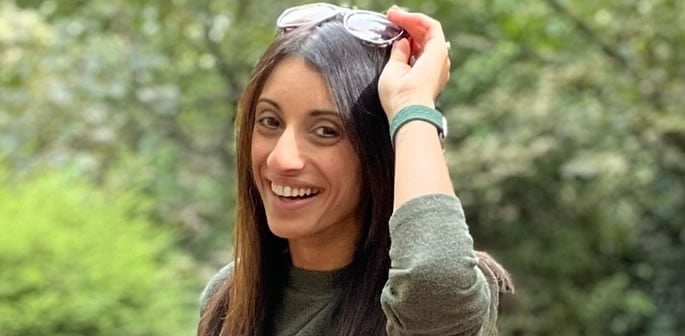
Nin Sambhi’s work is rooted in both professional purpose and personal experience, shaping how support is designed and delivered across the organisation.
She explains: “I support the delivery and development of culturally relevant engagement for the South Asian MS community through Asian MS, which sits within the MS Society.
“Asian MS is a national group which is run by a dedicated group of volunteers, including myself.
“My role as Joint Group Coordinator is very much people-focused – creating spaces where individuals feel seen, heard and understood.”
Her involvement began shortly after her diagnosis, when gaps in culturally specific care became more noticeable.
That lived experience has since become central to her approach, particularly in recognising how mainstream services can fail to reflect South Asian perspectives on illness, family dynamics and stigma.
Nin continues: “I became involved through a mix of lived experience and community work.
“After being diagnosed with relapsing-remitting multiple sclerosis in March 2022, I became more aware of the gaps in culturally appropriate support.
“As a South Asian woman, I didn’t always see my experiences reflected in mainstream spaces, and that naturally drew me towards Asian MS and the work they have been doing for the past 20 years to change that.”
Volunteer-led Coordination

The structure of Asian MS relies heavily on volunteers who contribute across planning, delivery and engagement.
Nin Sambhi’s role spans both strategic input and hands-on support, reflecting a model that blends community-led insight with practical delivery.
She reveals: “No two days are ever the same, which is something I genuinely love.
“A typical week might include planning and delivering community sessions, supporting individuals on a one-to-one basis, working on upcoming campaigns, or collaborating with colleagues and volunteers.”
Much of the work takes place behind the scenes, ensuring resources and sessions remain relevant and accessible, as Nin says:
“There’s also a lot of behind-the-scenes work – shaping content, contributing to information and support resources, and making sure everything we do is culturally sensitive and accessible.
“At the heart of it all is connection – whether that’s through conversations, events or storytelling.”
This emphasis on connection runs through every aspect of delivery, from small group discussions to wider awareness campaigns, with lived experience playing a key role in bridging trust between individuals and services.
Addressing Cultural Barriers
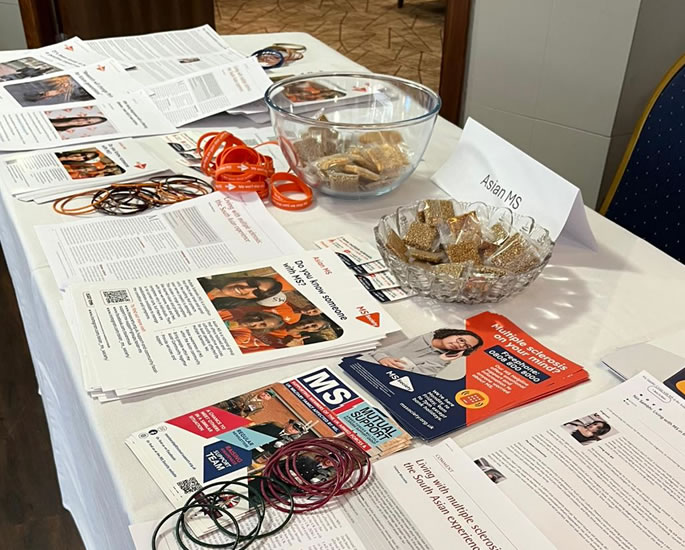
Multiple sclerosis support within South Asian communities has historically been shaped by barriers linked to stigma, language and limited awareness.
Asian MS was created over two decades ago to address these gaps.
Nin elaborates: “Asian MS was created over 20 years ago to address the clear lack of culturally tailored support for people from South Asian backgrounds living with MS, a chronic and degenerative condition that affects the central nervous system.
“For many, there were barriers around language, stigma, and a general lack of awareness about the condition within families and communities.
“The aim was to create a safe, inclusive space where people could access information that resonates with them – not just translated, but truly understood within a cultural context.
“It’s about bridging that gap between medical support and lived cultural realities.”
That cultural lens also informs how sessions and resources are developed, ensuring discussions around symptoms, diagnosis and treatment are communicated in ways that feel familiar and respectful to lived experiences.
Nin adds: “It goes far beyond translation. It’s about understanding cultural nuances – from family dynamics and faith, to stigma and expectations.”
Community Impact
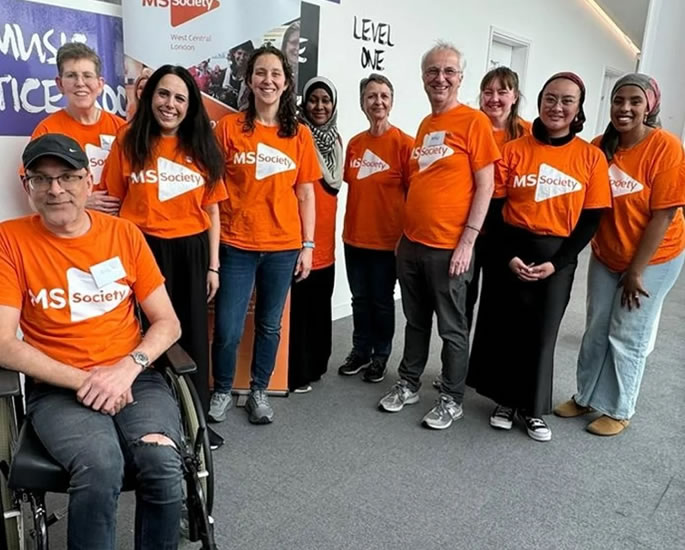
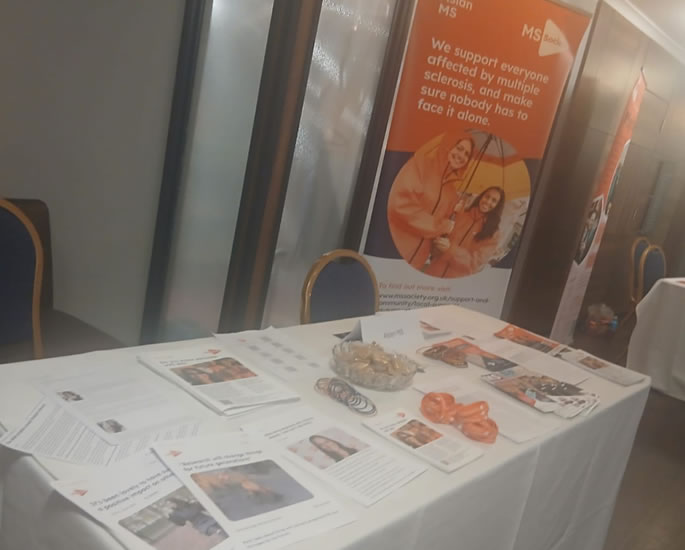
Asian MS uses a mix of online sessions, community engagement and peer-led storytelling to ensure accessibility across diverse South Asian populations.
Representation remains a central pillar, particularly in building trust and encouraging participation in conversations around health, as Nin says:
“We deliver sessions online, work with trusted figures, and create resources that reflect real experiences.
“We also ensure that conversations are approached with cultural sensitivity – for example, how MS is discussed within families, or how symptoms are perceived.
“I’m involved at multiple stages – from shaping ideas through to delivery. That might look like helping design webinar topics based on community needs, co-creating content for literature, or facilitating support sessions.
“We have a small team of volunteers, many of whom have personal experience of MS, either as someone living with it or as a caregiver, who all work together to deliver our support and services.”
The challenges faced by South Asian individuals living with MS remain complex, often shaped by delayed diagnosis, social stigma and limited understanding within family structures.
These barriers can significantly affect how and when people seek help.
Nin explains: “Some of the biggest challenges include stigma, lack of awareness, and delayed diagnosis. In some cases, symptoms are misunderstood or even dismissed, which can prevent people from seeking help early.
“There can also be cultural pressures – around roles within the family, or hesitations in speaking openly about health conditions.”
Asian MS responds by prioritising education and open dialogue, while also building networks of peer support that reduce isolation and encourage earlier engagement with services.
The organisation’s work also extends to families, helping shift perceptions and improve understanding of the condition.
Nin concludes: “The impact has been incredibly powerful. I’ve seen people go from feeling isolated and unheard to feeling part of a community where they belong.
“For many, it’s the first time they’ve been able to openly talk about MS with others who truly understand, not just the condition, but the cultural context around it.
“Families also benefit – gaining awareness, understanding, and often a shift in perspective. Those small changes can make a huge difference in someone’s day-to-day life.
“For me, the most meaningful impact is seeing people feel empowered, whether that’s asking questions, sharing their story, or simply knowing they’re not alone.”
The work of Asian MS demonstrates how meaningful change often comes from recognising the cultural dimensions of healthcare, not just the clinical ones.
By focusing on lived experience and community-led support, the organisation continues to make MS more visible and more understood within South Asian spaces that have historically been underserved.
For Nin Sambhi, that progress is measured in connection, trust and the growing confidence of individuals who no longer feel isolated in their diagnosis.
As awareness continues to grow, Asian MS remains a vital link between communities and support systems, ensuring that cultural context is not an afterthought but a central part of care.