















































It gradually developed a cult following
Magical realism has a special place in cinema. It allows filmmakers to blur the boundaries between reality and fantasy, bringing supernatural occurrences, folklore and dreamlike experiences into otherwise recognisable worlds.
In South Asian cinema, this approach has particularly interesting possibilities.
The region’s rich traditions of mythology, oral storytelling, religious beliefs and folk legends provide filmmakers with a wealth of material to explore.
Yet some independent directors are taking these influences further, using magical realism to examine social inequality, family relationships, greed, identity and human behaviour.
Unlike conventional fantasy films, magical realism does not necessarily transport audiences into entirely fictional universes. Instead, extraordinary events often unfold within familiar surroundings, with characters responding to them as though they are part of everyday life.
Here are five South Asian indie films that deserve attention for their imaginative storytelling and unusual treatment of reality.
Kothanodi (2015)

Director: Bhaskar Hazarika | Language: Assamese
Few films demonstrate the relationship between South Asian folklore and magical realism as effectively as Bhaskar Hazarika’s Kothanodi.
Based on four traditional Assamese folktales from Lakshminath Bezbaroa’s collection Burhi Aair Xadhu, the film brings together unsettling stories involving witchcraft, possession, infanticide and strange supernatural occurrences.
Set in a pre-colonial Assamese landscape, the film follows several interconnected narratives involving women and their disturbing experiences.
Among its most unusual storylines is that of a woman who gives birth to an elephant apple, an extraordinary occurrence that becomes part of the characters’ lives.
What makes Kothanodi particularly effective is the way it incorporates magical events into a recognisable social environment.
Its supernatural elements are not presented as separate fantasy sequences but are woven into the everyday fears, beliefs and relationships of its characters.
Hazarika also uses these stories to explore real social issues, particularly violence against women and harmful superstitions. The film’s dark atmosphere makes its traditional storytelling feel both unsettling and relevant.
Its use of Assamese folklore also gives the film a distinct cultural identity, allowing audiences unfamiliar with the region’s storytelling traditions to experience a different side of Indian cinema.
For anyone interested in magical realism with a darker edge, Kothanodi is an essential watch.
Om-Dar-B-Dar (1988)

Director: Kamal Swaroop | Language: Hindi
Kamal Swaroop’s Om-Dar-B-Dar is one of the most unusual examples of experimental Indian cinema.
Released in 1988, the film follows Om, a teenager living in the fictional town of Ajmer. However, describing its narrative in conventional terms is difficult because the film deliberately abandons traditional storytelling structures.
Instead, it combines surreal humour, absurd situations, dream sequences, unusual characters and seemingly disconnected events.
Om’s experiences move between the ordinary and the bizarre, creating a cinematic world where logic is constantly challenged.
Everyday life becomes intertwined with strange observations, imaginative situations and cultural references.
The film’s unconventional approach makes it particularly interesting from a magical realism perspective. Rather than clearly separating reality from imagination, Swaroop allows the two to coexist.
Its experimental style also reflects the director’s interest in language, mythology, popular culture and the absurdities of everyday existence.
Although Om-Dar-B-Dar initially struggled to find a mainstream audience, it gradually developed a cult following among admirers of unconventional Indian cinema.
Its importance has also been revisited by film scholars examining magical realism and experimental filmmaking in India.
For audiences accustomed to conventional Bollywood storytelling, this film offers something completely different. It is strange, playful, unpredictable and deliberately challenging.
Ghode Ko Jalebi Khilane Le Ja Riya Hoon (2018)

Director: Anamika Haksar | Language: Hindi
Anamika Haksar’s Ghode Ko Jalebi Khilane Le Ja Riya Hoon is a visually inventive film that uses magical realism to explore the lives of people living on the margins of Delhi.
Set around the streets and informal settlements of Old Delhi, the film combines the experiences of street vendors, workers, beggars and other ordinary residents with surreal imagery and imaginative storytelling.
Rather than following a conventional narrative, it moves through different characters, memories and experiences, creating a portrait of urban life that feels both grounded and dreamlike.
The film’s title, which translates roughly as ‘I am taking the horse to feed it jalebis’, reflects its unusual approach to storytelling.
Haksar draws on theatrical techniques, puppetry, visual experimentation and elements of fantasy to represent the experiences and inner worlds of people who are often overlooked in mainstream cinema.
Its magical realist qualities are particularly interesting because the extraordinary imagery does not remove the film from reality. Instead, it offers another way of understanding the struggles, aspirations and memories of its characters.
The film also challenges conventional ideas about whose stories deserve to be represented on screen. Its attention to working-class communities and marginalised voices gives its experimental approach a strong social dimension.
For viewers interested in cinema that combines political commentary with visual imagination, Ghode Ko Jalebi Khilane Le Ja Riya Hoon is a fascinating discovery.
Tumbbad (2018)

Director: Rahi Anil Barve | Language: Hindi
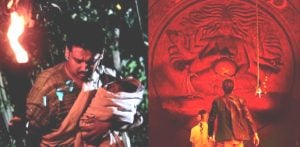
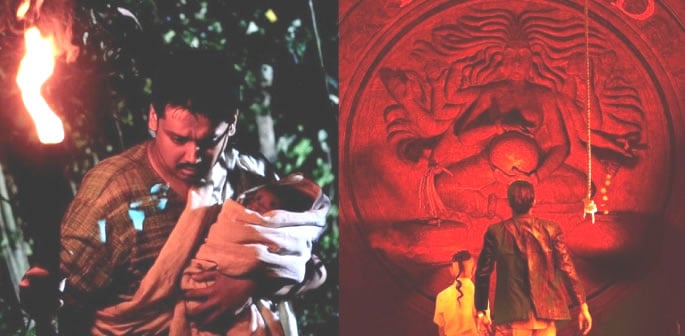
Although Tumbbad is often described as folk horror, its relationship with mythology, supernatural storytelling and everyday human behaviour also makes it an interesting example of magical realist filmmaking.
Directed by Rahi Anil Barve, the film is set in a village in Maharashtra where a family becomes connected to a mysterious and terrifying source of wealth.
The story follows Vinayak, whose obsession with finding hidden treasure leads him towards a supernatural entity associated with greed and endless hunger.
Spanning several decades, the narrative explores how his desire for wealth gradually becomes an obsession that affects his relationships and family life.
One of the film’s greatest strengths is its atmosphere. Relentless rain, decaying buildings, dark landscapes and underground chambers create a world that feels both recognisable and deeply unsettling.
The supernatural elements are closely connected to the film’s wider themes. Its mythical creature is not simply a monster designed to frighten audiences but a representation of insatiable greed and humanity’s desire for more.
Tumbbad also draws on Indian mythology and folklore to create a distinctive horror experience that differs from conventional supernatural films.
Its striking cinematography and production design demonstrate how independent-minded filmmaking can produce visually ambitious genre cinema.
The film’s 2024 theatrical re-release also introduced it to a wider audience, reinforcing its reputation as one of India’s distinctive modern folk-horror films.
For audiences who enjoy supernatural storytelling with deeper social and philosophical themes, Tumbbad is a particularly rewarding watch.
The River of Love (2021)
Director: Akash Khurana | Language: Hindi
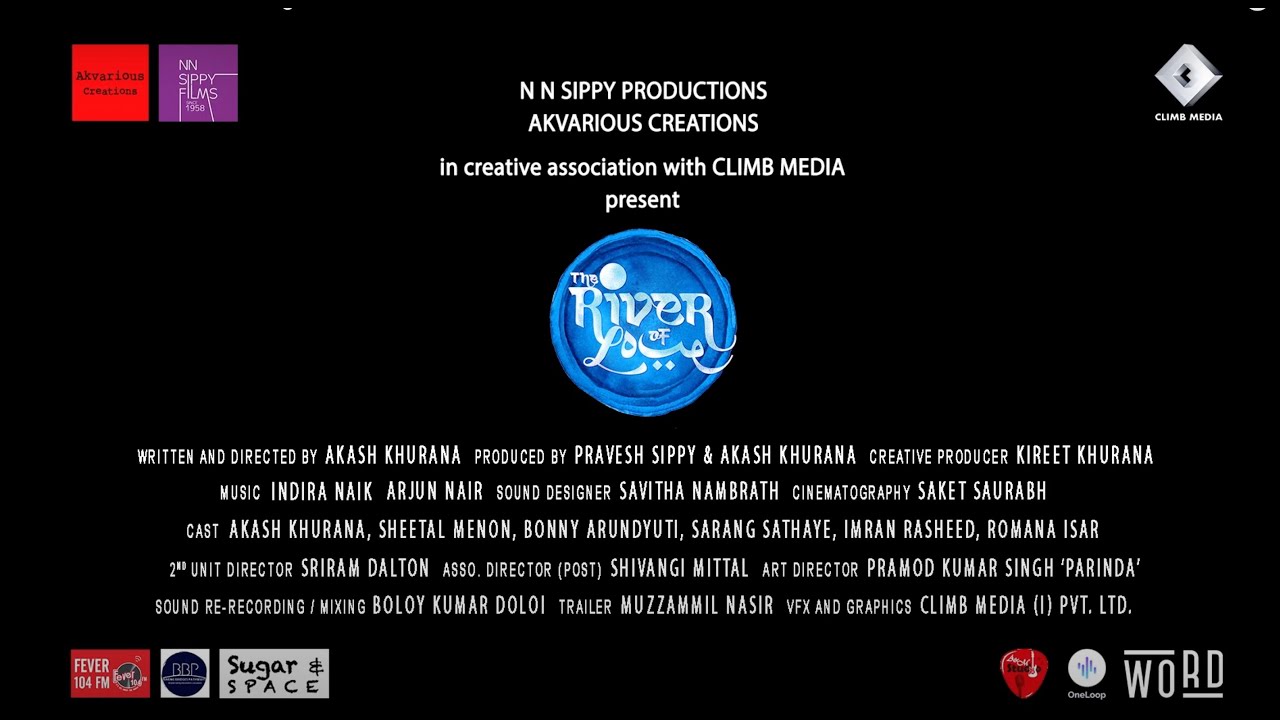
The River of Love is a lesser-known Indian film that uses a mysterious journey to explore memory, relationships and the spiritual atmosphere surrounding the Ganges river.
The story follows a man who loses his memory following a violent incident. As he travels along the river, fragments of his past gradually emerge, revealing connections to his former life, including a lover and daughter.
The journey becomes increasingly unpredictable, with different encounters and experiences adding new layers to the narrative.
The film’s setting plays an important role in its magical realist atmosphere.
The River Ganga is not simply a geographical backdrop but a cultural and spiritual presence that influences the events unfolding around the central character.
Its association with mythology, religious traditions, pilgrimage and rituals provides a distinctive environment in which the ordinary and extraordinary can overlap.
The film also draws on the atmosphere of the Kumbh Mela, where large-scale religious gatherings, traditional practices and spiritual experiences create a world that can appear extraordinary even when rooted in everyday cultural life.
Rather than relying entirely on conventional fantasy elements, The River of Love uses its surroundings and the protagonist’s fragmented memories to create a dreamlike narrative.
It is a particularly interesting example of how South Asian cinema can use familiar cultural landscapes to explore themes of identity, memory and emotional reconnection.
For viewers looking for something less conventional than mainstream romantic dramas, this film offers an intriguing alternative.
These films also highlight the importance of independent cinema in creating space for unconventional narratives.
Without the pressure to appeal to the widest possible commercial audience, filmmakers can experiment with language, structure, imagery and subject matter.
Ultimately, magical realism offers South Asian cinema a way to make the familiar feel extraordinary.
Whether through ancient folktales, mysterious landscapes or surreal urban experiences, these films demonstrate that some of the most imaginative stories do not need to abandon reality. They simply need to look at it differently.