














































"The goal is to shed light on their diverse experiences"
The University of Birmingham has launched a pilot survey to uncover the experiences of unpaid carers across the West Midlands.
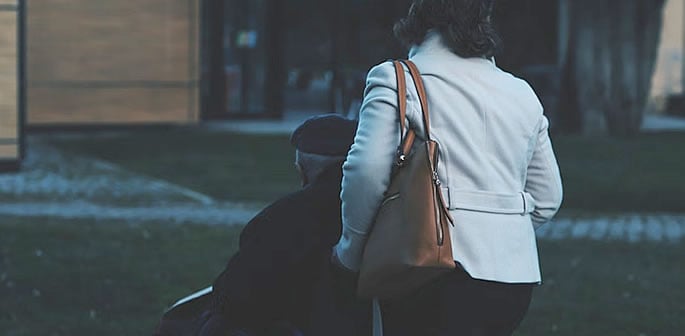
The survey, commissioned by the government, aims to give a clearer picture of the challenges faced by people who care for family members, friends or neighbours because of illness, disability or ageing.
It is open to residents in Dudley, Sandwell, Birmingham, Coventry, Warwickshire and Solihull, including those who provide informal support, such as making regular phone calls or accompanying someone to appointments.
Unpaid carers play a vital role in the UK’s care system, with the value of their contribution estimated at approximately £184 billion nationally.
However, their work can often go unrecognised, particularly when people do not identify themselves as carers or are unaware of the support available to them.
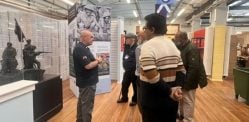
Professor Matthew Bennett, Project Lead from the Centre for Care at the University of Birmingham, said there were common misconceptions about who unpaid carers are, with nearly 50% aged under 65 and many balancing their caring responsibilities with employment.
Professor Bennett said: “The goal is to shed light on their diverse experiences, enabling government and local authorities to better plan services and support.”
His commitment to raising awareness of unpaid carers’ experiences is partly informed by his own circumstances, having cared for his terminally ill father.
Professor Bennett said he had not recognised himself as an unpaid carer at the time but had since come to understand the significance of the role and the sacrifices it can involve, particularly when it comes to financial security:
“It has all sorts of implications in terms of the financial wellbeing – so savings, assets, pensions, having to combine work and care at the same time.”
He also highlighted the impact caring responsibilities can have on physical and mental health, as well as relationships and social lives, explaining that carers can become increasingly isolated.
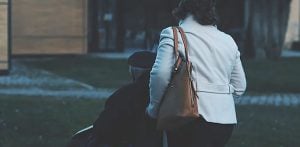
Among those supporting the initiative is Marilyn Beattie from Stourbridge, who became a carer for her husband, Bob, following his dementia diagnosis.
She said: “This is the big problem.
“You are their wife and you’re looking after your husband who you obviously promised at marriage to love and care and look after, but when you get to crisis point, you realise you are a carer and a lot of carers don’t know where to go to get assistance and help.”
Marilyn also believes cultural differences, religious beliefs and wider social stigma can prevent people from acknowledging that they are unpaid carers, creating further barriers to accessing support.
She said: “That’s the hard part, accepting care.”
She feels unpaid carers are not sufficiently recognised for their contribution or the wider impact of their work, and believes more needs to be done to make support easier to access.
Marilyn added:
“People care for their husbands and their wives and don’t think they need [help], but physically and mentally, they’re suffering.”
“They’re not sleeping, they’re not eating properly, they’re running around here, there and everywhere… and you don’t have any time for yourself. That’s the hard part about caring.
“Don’t be afraid to ask for help.”
Residents across the six participating areas are being encouraged to take part on Carers Rights Day, November 19, by visiting the Survey of Carers website.
The survey includes accessibility options, with translations available in 19 languages, as well as paper versions for those who would prefer not to complete it online.