


















































It perfectly captures the essence of family banter
Gurinder Chadha’s Bend It Like Beckham (2002) remains one of the most influential British Asian films ever made.
Viewers follow Jesminder ‘Jess’ Kaur Bhamra’s struggles as she attempts to balance her passion for football with growing cultural expectations from her Punjabi family.
Exploring the clash between tradition and modern ambition, Chadha uses sharp, witty conversation to make Jess’ lived experience in the domestic and sporting world relatable.
The film’s dialogue blends comedy with cultural commentary, making many lines instantly memorable.
Years later, its message continues to resonate across generations of audiences, empowering South Asian women to follow their dreams.
Following the anticipation of a Bend It Like Beckham sequel, now is the perfect time to review the film’s most iconic lines.
“It put me off beans on toast for life”
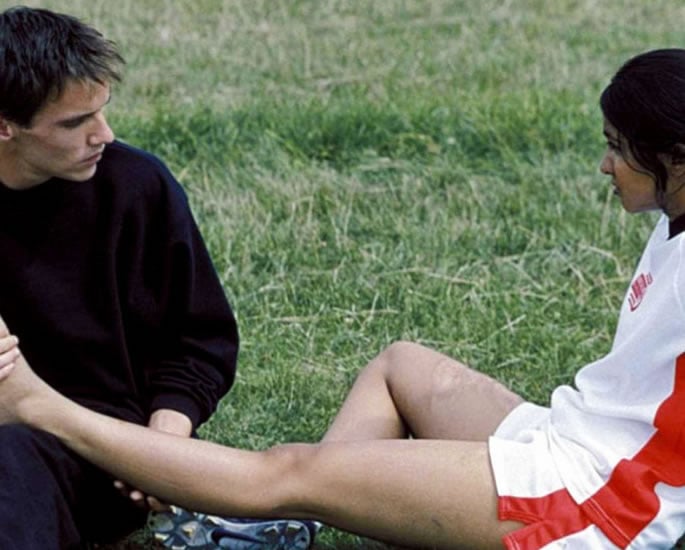
Jess casually drops this one-liner after her coach Joe notices the large burn on her leg.
She explains to Joe how a childhood accident left her with a scar when cooking beans.
This exchange is the first moment that builds trust between the pair, with Jess showcasing her vulnerabilities openly, and Joe supporting her.
It also highlights Jess’ ability to make light of a more traumatic situation, without it becoming overly sentimental.
This is an iconic line that is so unexpectedly funny and British through its reference to “beans on toast”.
It encompasses a multitude of emotions from embarrassment to wit, illustrating Jess’ authenticity as a character.
“I was married at your age, you don’t even want to learn how to cook dhal”
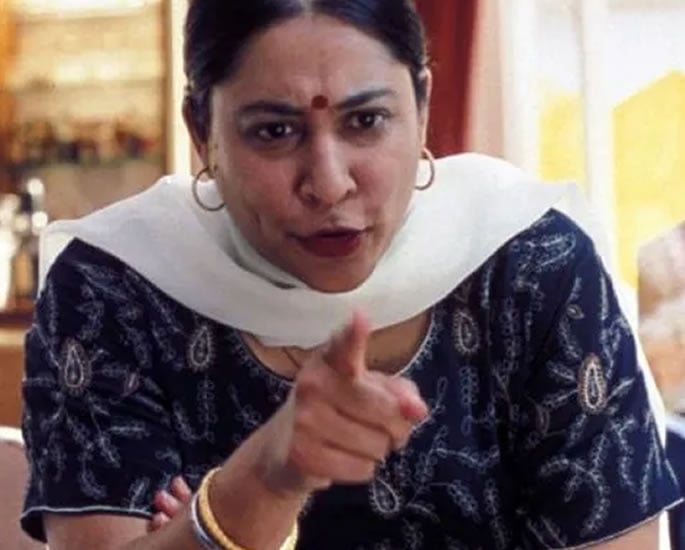
Jess’ mum, Mrs Bhamra, delivers this line in the kitchen as she comically reprimands her daughter about her priorities.
Now that her sister Pinky is engaged, people will begin to wonder and comment about Jess’ future, tying culinary skills to respectability and honour.
It perfectly captures the essence of family banter, affectionate whilst re-asserting the importance of conforming to cultural expectations.
Mrs Bhamra contrasts cooking with football to show Jess that being married and skilled in the domestic sphere is the norm.
Here we see a generational difference towards a woman’s duties, with Jess’ mother prioritising household skills, and Jess valuing her passion for football.
The line’s humour comes from the blunt delivery. It also stands out as a clear example of the expectations Jess’ parents have for her, alongside education.
Audiences remember the line so vividly as it appears specific to Jess, yet it echoes countless family conversations many have had on this subject.
“She’s divorced, that’s what she is”
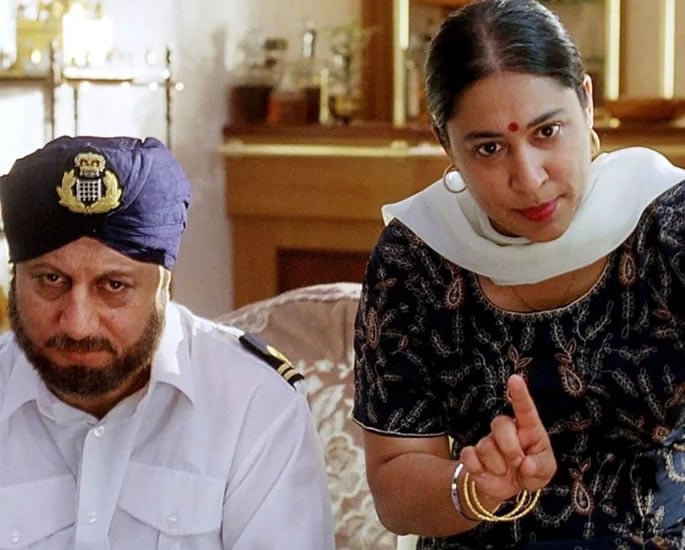
Mrs Bhamra casually talks about a niece who models, yet she is not defined by her accomplishments, but by her marital status.
As a divorced woman, this relative becomes a marker for social judgment, serving as a warning to Jess and Pinky on cultural expectations.
Comedy arises from the frank delivery of this line, reflective of harsher attitudes towards those who challenge social norms in South Asian communities.
Alongside this humour is fear, revealing Mrs Bhamra’s worries of facing social scrutiny for her daughters’ actions.
In one sentence, Mrs Bhamra clearly delivers unfiltered social commentary to highlight the burdens of community expectations.
For Jess, it reinforces her awareness of cultural pressures, reigniting her internal conflict between following these norms and stepping outside these traditional roles.
“Indian girls aren’t supposed to play football”

Jess vocalises this issue to her fellow footballers, revealing the underrepresentation of British South Asian women in sport.
Jess disheartenedly mentions this, illustrating how deeply ingrained this statement has become whilst also revealing the shame she feels for pursuing it.
It criminalises football for Jess, depicting how easily social and gendered expectations shape her perception of sport.
Although her male friends can play football in the park, she is condemned for it, signifying the scarcity of British Asian women in football.
This line reveals Jess’ internal conflict: her desire to please her family, against her aspirations to become a professional footballer.
As Bend It Like Beckham progresses, Jess’ continued determination and gradual support for football begin to dismantle such a statement.
This moment exposes the refreshing and bold nature of Bend It Like Beckham as it centres on the complexities of a British Asian woman’s life.
“Even these mosquito bites will look like juicy, juicy mangoes”

This is arguably one of the most recognisable lines from Bend It Like Beckham.
When Jess goes for a blouse fitting before her sister’s wedding, she asks for the blouse to be looser.
In contrast to her sister Pinky, Jess shows that she doesn’t place as much value on her physical appearance in this scene. This is a defiance of the stereotypical femininity often portrayed in films in the 2000s.
The dressmaker then responds comedically, promising to accentuate Jess’ “mosquito bites”.
The contrast between Jess’ practical concerns and the dressmaker’s light-hearted jokes further adds to the comedy of this scene.
The unexpected comparison between a mosquito’s bites and mango makes this line not only striking in its imagery but also in its playful humour.
“They saw you being filthy with an English boy”
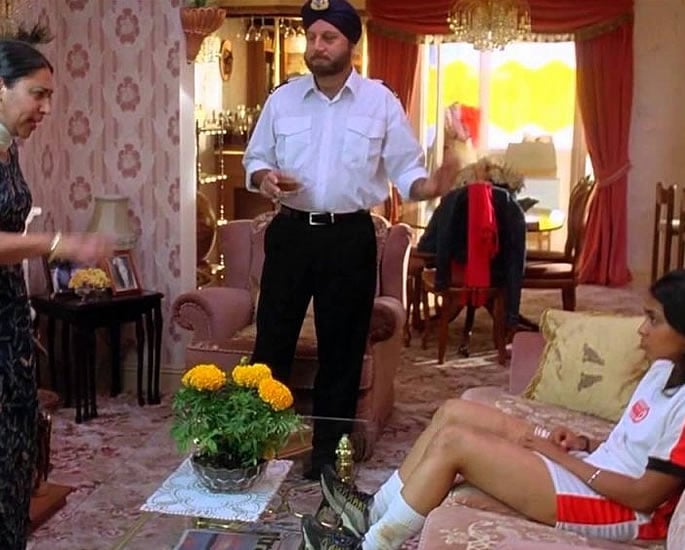
Pinky’s future in-laws (Teetu’s parents) mistakenly believe Jess was kissing an English boy by the bus stop. They then relay this information to Jess’ parents, who are distraught by this news.
In reality, she was uncontrollably laughing with fellow footballer Juliette, who has a short haircut.
Here, humour emerges from the absurdity of this overaction and Jess’ confused response to the situation.
This catastrophic misinterpretation leads to Pinky’s engagement being called off as Teetu’s parents don’t wish to be disgraced through association.
While the hysteria created by this mistake is entertaining and eventually resolved, it demonstrates how quickly gossip escalates the most mundane of situations.
Within South Asian communities, gossip surrounding relationships is prevalent. It reinforces dating as taboo and discourages open discussion.
This melodramatic revelation highlights Mrs Bhamra’s anxieties towards public perception, emphasising the necessity to perform respectably in public.
The scandalous nature of gossip within Asian communities presents the limitations placed upon a woman’s freedom and reputation.
“No one can cross a ball or bend it like Beckham”

This line embodies Jess’ idolisation of David Beckham, someone she measures herself against as an aspiring footballer.
Jess presents this line with sincerity, reflective of her genuine admiration and respect for Beckham.
Beckham was an iconic footballer in the 2000s, so referencing him through dialogue and the film’s title allows this story to appeal to a wider audience.
Jess’ ambitions are set against the cultural context of British football, grounding her commitment to sport in the real world.
This is an unforgettable line as it mirrors the success and influential status held by Beckham and represents the motivation that drives Jess to persevere.
“Every time I talk myself out of it, you come around and make it sound so easy”

This moment highlights Jess’ recognition of the incompatibility of football and her South Asian heritage, feeling she cannot embrace both.
It emotionally resonates with the audience, conveying the complexities Jess is faced with as she must decide if her loyalty lies with her family or football.
She shares this dilemma with Joe, whose unwavering encouragement and belief in her talent are reassuring.
This eases the pressure she faces from family, culture, and judgment.
Jess’ response embodies the desirability of pursuing football whilst highlighting the challenges and impracticalities of achieving it in reality.
“Indian bride never smiles. You’ll ruin the bloody video”
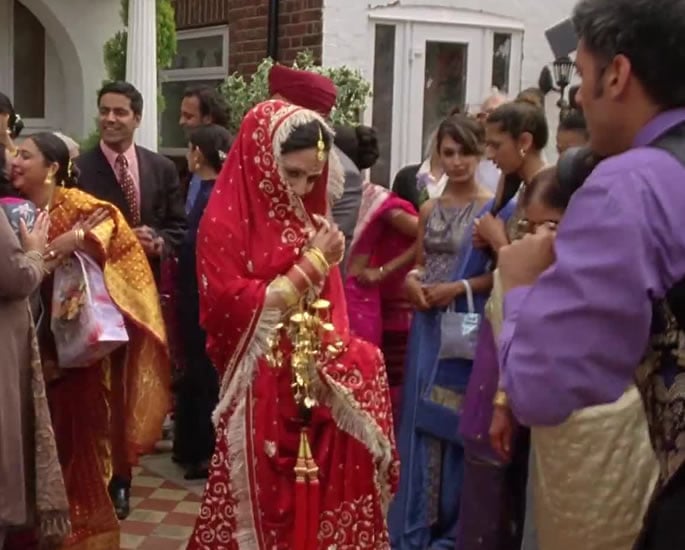
The wedding videographer attempts to direct Pinky’s facial expressions as she leaves for her wedding.
This line encapsulates the true chaos and charm of an Indian wedding.
The necessity to capture the perfect shot makes the videographer appear more stressed about the footage than the bride is in this moment.
Once again, humour is used to overturn expectations of an emotional send-off into an entertaining and amusing event.
Despite planning and perfecting details, this scene shows us that anything can happen on the day, especially in Indian events, relatable to many viewers.
This line perfectly sums up how celebration, performance, and comedic timing intertwine throughout Bend It Like Beckham.
“Lesbian? Her birthday’s in March. I thought she was a Pisces.”
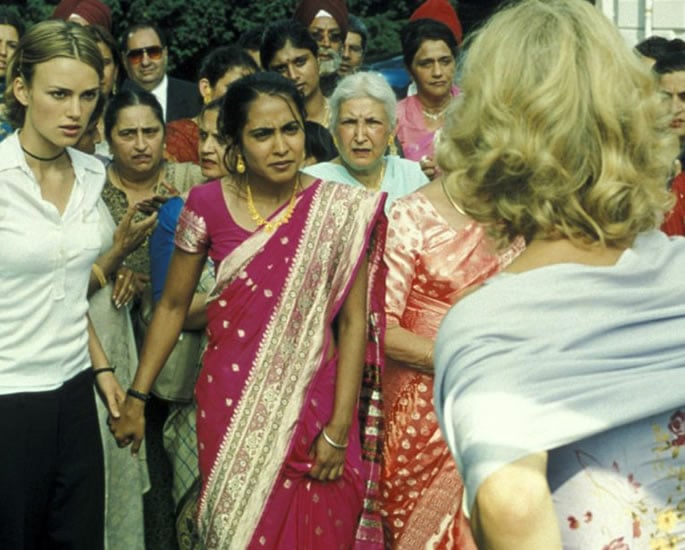
Mrs Paxton, Juliette’s mother, calls Jess a lesbian as she believes Jess has romantic feelings for Juliette.
Mrs Paxton notices Jess wearing her shoes and becomes enraged, shouting:
“Get your lesbian feet out of my shoes.”
The Indian aunties are puzzled when Jess is labelled a lesbian, assuming Mrs Paxton mixed up her star sign.
Here, the aunties have confused sexuality with astrology.
The confidence and cluelessness of the aunties’ conclusions make this moment extremely funny.
By bringing in star signs to the conversation, this unexpected turn of events makes it more memorable.
As Juliette’s mother and the aunties both misinterpret the situation, the commotion created further immerses viewers into the mayhem.
It gently pokes fun at the generational confusion around sexuality, whilst maintaining a light-hearted mood.
Not only does this conversation transform misunderstandings into comedy, but it’s a punchline that is still quoted over a decade later.
Bend It Like Beckham successfully weaves humour with sentiment, turning Jess’ football dreams into a story of identity and courage.
The film’s honest depiction of British South Asian family life makes every moment feel instantly relatable.
Each character’s perspective illustrates how ambition, tradition, and friendship create a compelling and authentic story.
Witty dialogue elevates scenes into iconic moments, balancing comedy with genuine emotional depth that showcases the film’s profound impact.
Its appeal comes from celebrating individuality, female empowerment, and resilience, maintaining audience engagement through laughter and tears.
Ultimately, the film proves itself timeless, inspiring audiences to unapologetically chase their dreams whilst navigating the complexities of culture and love.