











































"His death was contributed to by neglect."
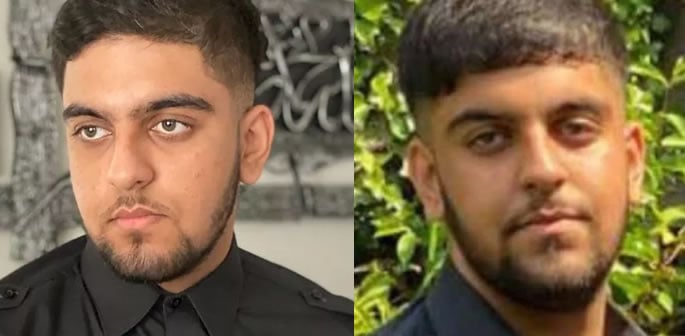
An inquest heard that a student tragically died after a “critical failing” to detect a rare tumour through a “simple” urine test.
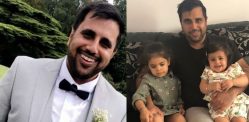
Even though there were concerns over Adam Ali’s high blood pressure from the age of nine, the treatable tumour lay undetected for seven years amid “neglect” by Birmingham Children’s Hospital.
The 17-year-old “would likely still be here today” had the underlying paraganglioma been detected and removed.
Urine tests were tried in 2013, 2014 and 2015.
These tests would have detected the tumour, leading to surgery and likely saving his life.
However, none of the tests were ever processed by the lab because of issues with the samples and the clinical lead wrongly “assumed” the results had come back normal when checking the notes.
The inquest heard that a lack of clinical curiosity and Adam being passed between “lots of different doctors” meant the “error” was never picked up and no one “thought about it again”.
After 2015, no further tests were attempted even though Adam continued to suffer from high blood pressure and attended numerous outpatient appointments.
On September 18, 2021, the student was watching TV when he began suffering from back pain and vomiting.
He was taken to Queen Elizabeth Hospital, where he deteriorated and was pronounced dead in the early hours of the next morning.
The student died from an adrenergic crisis as a result of the undiagnosed paraganglioma.
Senior Coroner Louise Hunt stated that the hospital’s neglect was a contributing factor in Adam’s death, emphasising the failure to follow up on tests as a “critical failing in Adam’s care”.
She said: “Had the test been done it is likely he would have been diagnosed with the condition and it is likely to have resulted in him being here today.
“His death was contributed to by neglect. Changes have been made and I’m satisfied that a tragedy like this will not happen again.”
In the summer of 2013, nine-year-old Adam initially sought treatment at the Children’s Hospital’s A&E for headaches and extremely high blood pressure.
Subsequent intensive care and various tests were conducted.
Despite three consecutive years of recommended urine tests to detect paraganglioma, the laboratory declined each time, citing reasons such as exposure to sunlight, improper storage and insufficient urine.
A crucial registrar letter advising a reattempt for the key urine test went unchecked and was lost.
Dr Larissa Kerecuk, the lead consultant, mistakenly assumed the test results were normal, marking a critical error.
No further urine tests were sent after 2015.
Dr Fiona Reynolds acknowledged the failure to consider paraganglioma, attributing Adam’s high blood pressure to a family history of hypertension.
The student suffered from “persistent” high blood pressure, with several visits to the hospital and his GP up until 2021.
Dr Gupta, who reviewed Adam in 2018, said she “made an assumption as well” concerning the urine test results, adding:
“I should have rechecked and I have learned from this personally.”
The urine tests would have likely found an adrenaline surge which would have led to the tumour being discovered.
The surgery would likely have been successful.
In conclusion, the coroner said: “Dr Kerecuk believed or assumed the tests had been done and were normal. That was an error.
“There was no evidence they were normal; in fact the tests had not been able to be processed.
“It would have been found easily that there was not a result to this test.”
The court heard Dr Kerecuk “reflected on this with her clinical lead and appraiser”.
Since then, Birmingham Children’s Hospital has changed the way they carry out tests, with blood now taken instead of urine.
The hospital has also increased the number of specialist nephrologist doctors.
Neil Bugg, Deputy Chief Medical Officer at Birmingham Women’s and Children’s NHS Foundation Trust, said:
“We offer our sincerest apologies and condolences to Adam’s family and loved ones.
“An internal investigation was set up immediately after the Trust learned of Adam’s death.
“It is clear the standard of care offered did not meet those expected and, for this, we are truly sorry.
“Following the comprehensive review, we can confirm changes to practice and processes have been made to make sure this does not happen again.”