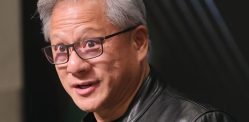

















































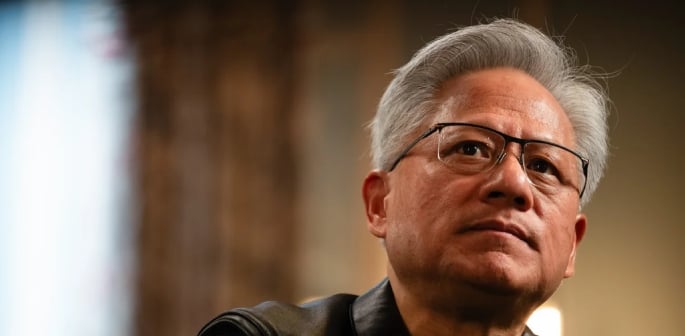
The controversy intensified after NVIDIA's board launched an investigation
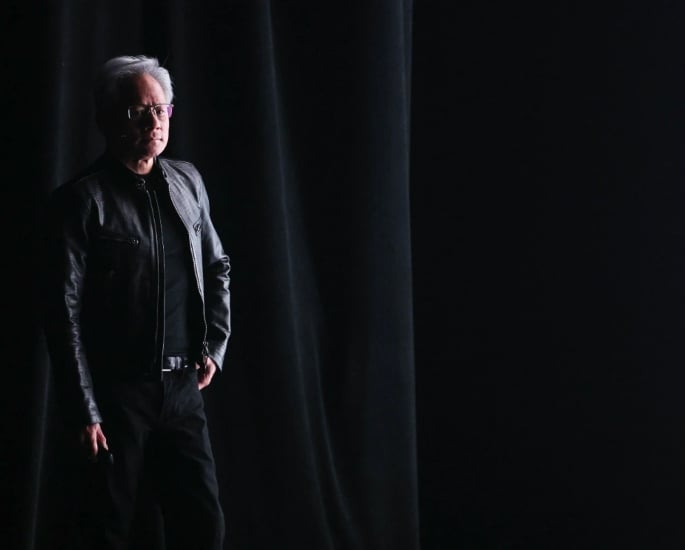
Jensen Huang has resigned as chief executive of NVIDIA, marking a major turning point for one of the world’s most influential technology companies.
The 63-year-old co-founder stepped down on November 11, 2026, following scrutiny over his personal relationships and allegations involving suspected Chinese intelligence connections.
His departure has attracted international attention because NVIDIA has become central to the global artificial intelligence revolution.
The company has appointed chief financial officer Colette Kress as interim chief executive while searching for a permanent replacement.
The circumstances surrounding his resignation have raised questions about corporate governance, international security and the future of the AI industry.
Why Has Jensen Huang Resigned as NVIDIA CEO?
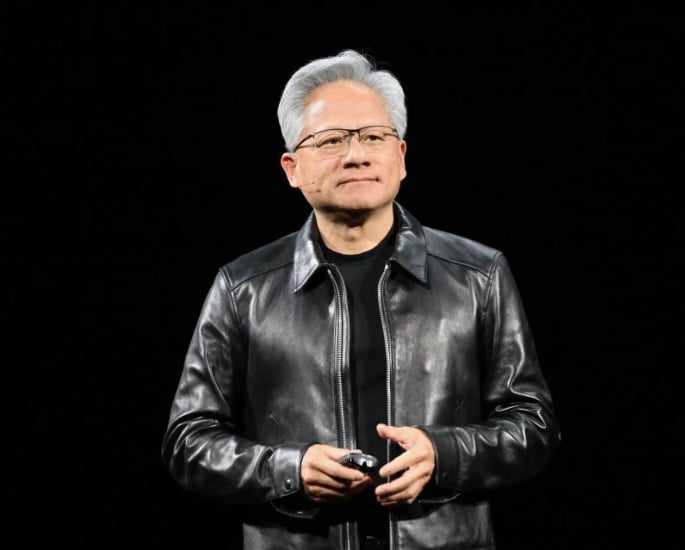
NVIDIA confirmed the leadership change on November 12, announcing that Huang had resigned as president, chief executive and board member.
The announcement followed reports about his personal relationships and a possible foreign intelligence operation involving a business associate.
Huang had previously acknowledged being unfaithful to his wife, Lori, apologising to his family and NVIDIA employees in a statement dated November 8.
The controversy intensified after NVIDIA’s board launched an investigation, supported by external legal advisers, into whether Huang had been targeted by a foreign intelligence operation.
Although the company initially expressed confidence in his leadership, the situation developed into a major governance crisis.
NVIDIA did not provide a detailed explanation for his departure, which followed mounting pressure and concerns about the company’s reputation.
Huang co-founded NVIDIA in 1993 alongside Chris Malachowsky and Curtis Priem, leading its transformation from a graphics processing business into a major artificial intelligence technology supplier.
His resignation marks a significant change for a company closely associated with his leadership for more than three decades.
What Are the Allegations Involving Jensen Huang and Alice Huang?

The controversy centres on Alice Huang, a Chinese businesswoman and former executive at Singapore-based technology company Megaspeed International.
Reports linked her to an alleged relationship with Jensen Huang and possible connections to Chinese intelligence.
US investigators reportedly examined whether business networks were used to access restricted NVIDIA technology, although the allegations remain unproven.
Megaspeed told CBS News on November 15 that Alice Huang had left the company in August 2025. It denied wrongdoing and described its operations as legitimate and lawful.
NVIDIA has previously said it found no evidence of illegal chip transfers.
The developments have attracted political attention in Washington, particularly over semiconductor exports and national security.
Why NVIDIA Matters to the Global AI Industry
Huang’s resignation has attracted attention because NVIDIA occupies a powerful position in the global technology industry.
The company is one of the principal suppliers of processors used to develop and operate artificial intelligence systems.
Its graphics processing units, commonly known as GPUs, perform large numbers of calculations simultaneously, making them essential for training AI models and operating data centres.
Major technology companies, including Microsoft, Google, Amazon and Meta, rely on NVIDIA technology as they expand their artificial intelligence capabilities.
Huang helped establish this position through investments in CUDA, a software platform introduced in 2006.
It allowed developers to use NVIDIA GPUs for tasks beyond traditional computer graphics, helping the company establish itself in scientific research, machine learning, and artificial intelligence.
Its success transformed NVIDIA into one of the world’s most valuable businesses.
However, his departure has raised questions about whether the company can maintain its momentum without the executive who shaped its development.
Reuters reported that NVIDIA shares fell by 4.3% on November 12 following news of his resignation.
The situation also has international implications as Washington considers further restrictions on advanced semiconductor exports to China.
US Treasury Secretary Scott Bessent said on November 15 that NVIDIA should look outside the company when selecting its next chief executive.
He also called for answers about its compliance culture and approach to export restrictions.
Who Will Replace Jensen Huang and What Happens Next?
Following Huang’s resignation, NVIDIA appointed Colette Kress as interim chief executive while its board searches for a permanent replacement.
Kress joined the company in September 2013 and serves as its executive vice president and chief financial officer.
She has played an important role in managing NVIDIA’s finances throughout its rapid expansion into artificial intelligence.
The company also appointed Harvey C. Jones as its first-ever chairman of the board. Jones has served as a director since 1993.
The board expressed confidence in Kress and the existing leadership team, stating that operations, customer commitments and product development would continue.
Finding a permanent successor will be challenging because Huang was not only its chief executive but also its most recognisable public representative.
Reuters reported on November 15 that British chipmaker Arm’s chief executive, Rene Haas, had been approached as a possible successor, although NVIDIA has not confirmed a permanent appointment.
The company is also scheduled to announce its third-quarter fiscal 2027 financial results on November 17.
Beyond the leadership transition, NVIDIA faces growing competition from AMD, Intel and emerging semiconductor manufacturers in China.
It must also navigate international trade restrictions, rising data centre investment and the increasing costs of developing artificial intelligence.
Huang’s resignation comes at a particularly important moment for the technology industry.
Although NVIDIA has established a strong position in AI computing, its next chapter will depend on maintaining that advantage while rebuilding confidence among investors, employees and international partners.
His departure marks the end of a defining era for NVIDIA, but the company’s next leadership decisions could shape the future of artificial intelligence for years to come.