

















































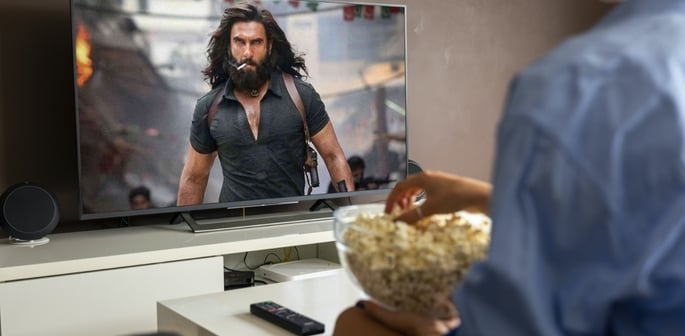
Bollywood became portable in a way it had never been before.
Streaming platforms have changed how Indian audiences watch Bollywood, shifting the experience from scheduled cinema trips and television premieres to on-demand viewing across mobile devices.
The change is not simply about where films are watched, but who controls the experience.
Bollywood once determined when and how audiences accessed its films; streaming has given viewers greater choice over what they watch, when they watch it and which device they use.
That shift has also changed how audiences discover older films, consume new releases and engage with Indian cinema.
To understand how Bollywood reached this point, it is necessary to look at India’s changing internet access, the impact of Covid-19 and the viewing habits that emerged around streaming.
From Friday Night Cinema to Anytime Streaming
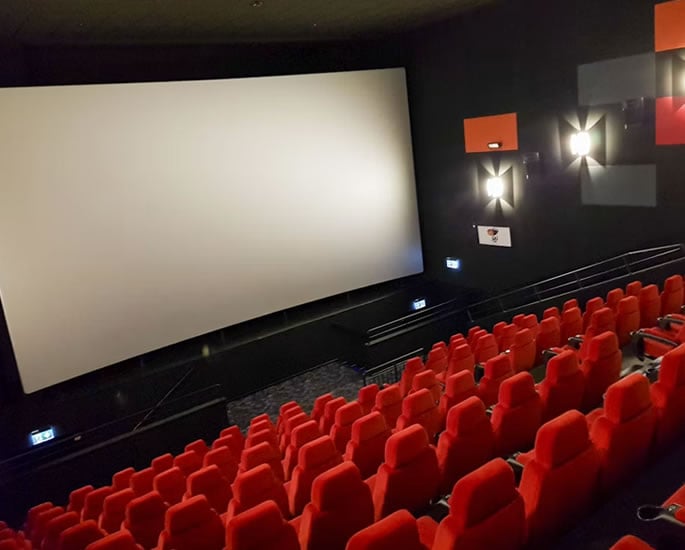
For most of the 20th century, watching a Bollywood film meant fitting your schedule around its availability.
A Friday release drew family audiences to the cinema, while months later the film might appear on satellite television at a scheduled broadcast time.
Physical formats such as VHS and DVDs provided another option for those who could access them.
Before streaming, a Bollywood film typically became available for home viewing within around six months of its theatrical release through home video formats, and later through satellite and cable television.
Streaming compressed that window further, with films now moving from cinema to platforms within weeks of theatrical release, while some bypass cinemas altogether.
The bigger change is who controls when a film is watched.
Indian audiences can now watch a film released last week or a Bollywood classic from decades ago at any time and on any device, without waiting for a broadcaster to schedule it.
That greater control has also changed viewing behaviour, with audiences typically watching films during evenings in the week and alone.
The communal experience of cinema remains, but home viewing has become far more individualised.
How the Smartphone Put Bollywood in Every Pocket
The shift to mobile streaming was made possible by Reliance Jio’s 4G network launch in September 2016.
Before Jio, 1GB of mobile data cost approximately Rs 225. After its entry, prices fell to around Rs 10 per GB, a reduction of more than 90%.
Affordable data, combined with the rapid spread of low-cost Android smartphones, brought mobile internet access to hundreds of millions of Indians.
India’s internet user base reached 700 million video and audio consumers by 2024, according to PwC‘s India Entertainment and Media Outlook 2024-28, with 82% of entertainment time spent on mobile devices.
The result was that Bollywood became portable in a way it had never been before.
Cinema requires a specific location, while television traditionally depends on a fixed schedule.
Streaming removed both restrictions, allowing audiences to access Bollywood wherever a mobile connection was available.
A Personal Experience
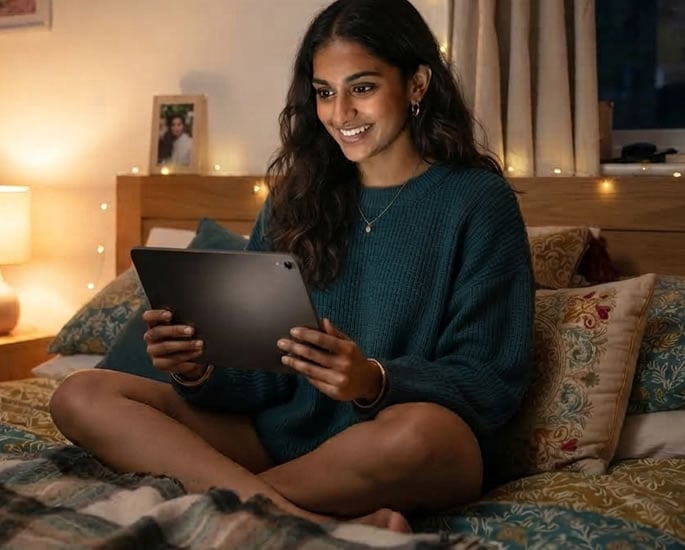
Cinema is a communal experience, with an audience watching the same film at the same time in the same room.
Streaming changed this by enabling individualised viewing, allowing two people in the same household to watch completely different content on separate devices.
Each viewer also receives recommendations based on their own viewing history.
Streaming platforms therefore personalise Bollywood discovery, exposing audiences to older films, regional cinema, and productions they may not have encountered through cinema advertising or scheduled television.
Someone watching contemporary Bollywood, for example, may be recommended older releases featuring the same actors or directors.
This can widen their engagement with the archive of Indian cinema and introduce films beyond the latest releases.
Film exhibitor Akshaye Rathi told The Wire: “We are witnessing some phenomenal content from Israel, Spain, Korea and various parts of the world.
“That gives exposure to the audience and changes the kind of expectations that they have for their entertainment.
“The benchmark in the minds of the audience is content that they have watched from across the globe.”
This exposure to international content through the same platforms that carry Bollywood has raised expectations around storytelling, production quality, and narrative complexity.
Bollywood is no longer benchmarked only against other Bollywood films.
The Rise of Binge-Watching

Streaming introduced Indian audiences to binge-watching, with viewers able to consume multiple episodes of a series in extended single sessions.
According to the FICCI-EY Media and Entertainment Report 2025, digital media overtook television in 2024 as the largest revenue segment in Indian media.
Indians also spend 82% of their entertainment time on mobile apps, indicating extended, self-directed engagement.
Audiences accustomed to serialised storytelling across multiple episodes now bring those expectations to Bollywood films.
This has increased demand for stronger character development and narrative complexity rather than simpler plot structures.
Bollywood screenwriter Shokhi Banerjee explained:
“OTT platforms have impacted the Bollywood business in a major way.
“Most producers now consider OTT platforms as important as theatre releases. In fact, more important than theatre releases.”
The practical consequence is that Bollywood producers are considering streaming audiences from the development stage. OTT is no longer treated simply as a secondary release window.
Skipping

When it comes to streaming, viewers have more control over their viewing experience than cinema.
The ability to pause, rewind, and skip content has changed how audiences engage with films and what they expect from them.
According to reports, viewers are skipping songs.
This has prompted discussions among producers about how songs are integrated into films designed primarily for streaming audiences.
The broader shift is that streaming audiences have a different relationship with Bollywood content than cinema audiences.
They can engage with a film across multiple sessions, return to specific scenes, and choose how much of the running time they engage with. Bollywood filmmakers have acknowledged this shift in how they approach storytelling for streaming-first releases.
Old Bollywood finding New Audiences
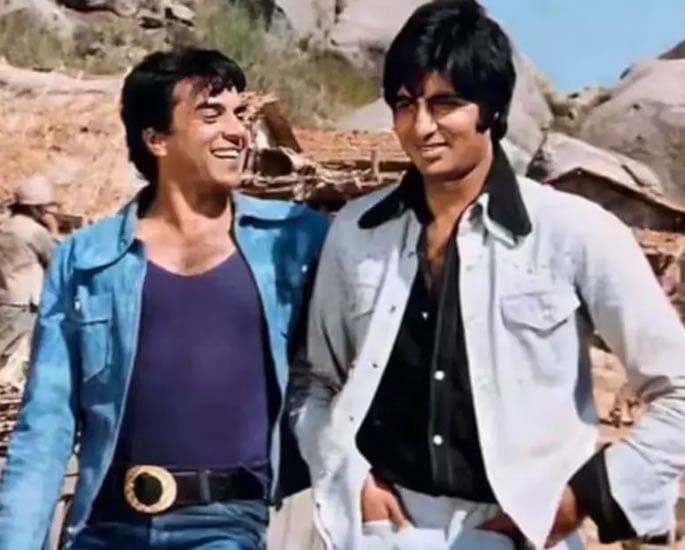
Streaming has made older Bollywood films permanently accessible alongside new releases, creating a living archive that audiences can discover through algorithmic recommendations.
Younger Indian viewers, including diaspora audiences in the UK, US, Canada, and Australia, can now discover the work of Amitabh Bachchan, Shah Rukh Khan, Madhuri Dixit, and Sridevi through recommendations based on their own viewing behaviour.
Before streaming, access to older Bollywood films depended primarily on television broadcasts or family collections.
For diaspora communities in particular, this has changed how younger generations encounter Bollywood.
Previous generations were introduced to Hindi cinema mainly through family viewing and community screenings.
Streaming platforms now surface Bollywood content through personalised recommendations, creating individual pathways to the archive that are independent of family or community transmission.
The Impact of Covid-19

When cinemas closed across India from March 2020, major Bollywood productions were released directly onto streaming platforms rather than waiting for theatrical reopening.
Gulabo Sitabo, directed by Shoojit Sircar and starring Amitabh Bachchan, became the first major Bollywood film to bypass cinema entirely, premiering on Amazon Prime Video on June 12, 2020.
The filmmaker said at the time: “This is the dawn of a new era for Indian entertainment.
“I have never experimented on a digital platform so this is the first time that we are releasing a film straight on a streamer. It’s quite exciting as digital is going to be the future.”
Several other major releases followed the same route, including Dil Bechara and Laxmii on Disney+ Hotstar.
During the pandemic, large audiences watched major Bollywood releases on streaming platforms when cinema was unavailable, and the experience was commercially viable for producers.
After cinemas reopened, the viewing habits formed during lockdown proved lasting.
OTT subscriptions in India had grown by 49% during 2020 alone.
Viewers who had become accustomed to watching major Bollywood releases at home during lockdown did not simply return to exclusive cinema attendance.
Instead, a segment of the audience that had previously been primarily cinema-going shifted to streaming as their primary mode of Bollywood consumption.
This shift was particularly pronounced among younger urban viewers who had developed streaming habits during extended lockdown periods.
The Global Bollywood Audience

For British Asian and diaspora audiences globally, streaming has changed access to Bollywood in ways that cinema distribution and satellite television could not offer alone.
Before streaming, a British Asian viewer’s access to new Bollywood releases depended on local cinemas showing them, satellite channels carrying them, or physical media being available.
International release windows were also often longer than those in India.
Netflix, Amazon Prime Video, Disney+ Hotstar, and JioCinema now make Bollywood content easily available.
A new Bollywood release can be watched in Birmingham on the same day it is available in Mumbai.
That simultaneity is a significant change in how diaspora communities engage with Indian film culture.
It also gives younger viewers a way to discover Bollywood independently through platform recommendations, rather than exclusively through family exposure.
As a result, the way Bollywood is culturally transmitted across generations has also changed.
The Algorithm became Bollywood’s New Gatekeeper
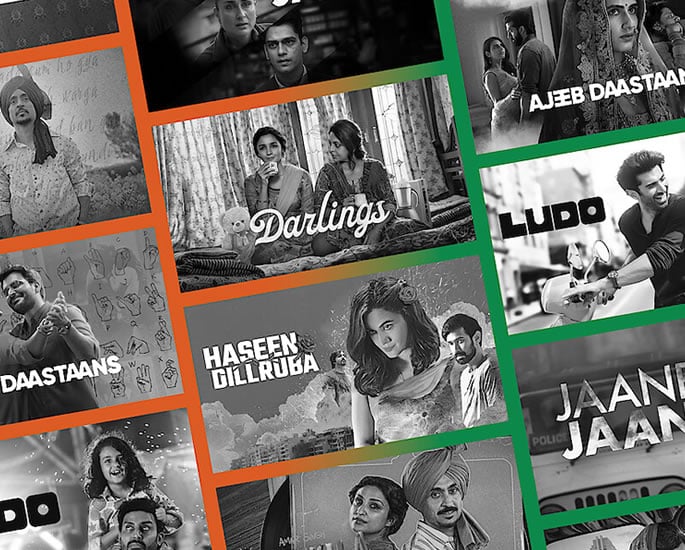
Before streaming, Bollywood content discovery was shaped by cinema advertising, television scheduling, print media, and word of mouth.
What viewers knew about new Bollywood releases was largely determined by what distributors and broadcasters chose to promote.
Streaming platforms replaced much of that gatekeeping function with recommendation algorithms.
A viewer’s homepage is shaped by their viewing history, engagement patterns, and data on what similar audiences have watched.
The consequences for Bollywood are significant.
Films and series that might not have secured wide theatrical distribution or prime television slots can find audiences through recommendations.
Smaller-budget productions with strong concepts can reach viewers who may not have encountered them through conventional distribution channels.
Over 60% of current streaming content in India is concentrated in crime and action genres. This reflects how platform data on audience preferences can shape commissioning decisions.
The algorithm does not simply discover audiences for content; it can also influence what gets made by signalling which genres perform well.
This creates a tension for Bollywood. Niche and unconventional content can find audiences through recommendation in ways that were not possible before streaming.
However, if platforms commission primarily around established viewing data, the range of content produced could narrow towards proven categories rather than expand into new territory.
Has Streaming made Bollywood more Fragmented?

One measurable consequence of streaming is the fragmentation of what was previously a more unified Bollywood audience.
When a major release drew millions to cinemas over the same weekend, it created a shared cultural event and generated collective conversation.
Streaming distributes that audience across time.
A film released on a platform can be watched by different viewers on different days, weeks, or months. The shared moment created by simultaneous viewing is therefore reduced.
This fragmentation is compounded by the range of content competing for the same viewer’s attention.
An Indian household with streaming subscriptions is no longer choosing only between Bollywood films.
Bollywood and Streaming - Key Facts
- Netflix launched in India in January 2016.
- India had 700 million internet users consuming video and audio content by 2024.
- Gulabo Sitabo became the first major Bollywood film to release directly on OTT.
- Indians spend 82% of their free time on entertainment and media apps on mobile devices.
- Stree 2 was the highest-grossing Hindi film of 2024.
It can choose between Bollywood, Korean drama, Tamil and Telugu cinema, American series, and international documentaries on the same platform.
Within this digital landscape, Bollywood competes not only with other Bollywood productions but with global streaming content available to Indian viewers at the same time.
Streaming has fundamentally changed how audiences experience Bollywood.
Films are no longer tied to cinema schedules, television broadcasts or physical media, with viewers able to discover and watch content whenever and wherever they choose.
That shift has also changed what audiences expect from Bollywood, how older films are discovered, and how diaspora communities connect with Indian cinema.
Cinema remains important, but streaming has given viewers a level of choice and control that has reshaped the relationship between Bollywood and its audience.