

















































Pressure has also increased from rival racket sports.
Badminton is one of Britain’s most widely played sports, yet it occupies a shrinking space in the country’s elite sporting conversation.
Participation remains high, facilities are busy, and casual engagement rivals tennis, but international competitiveness has steadily eroded.
Funding volatility, limited elite pathways and increasing competition for indoor space have all contributed to a widening disconnect.
While Asian nations continue to dominate the global game, Britain has struggled to convert grassroots popularity into sustained success.
Recent attempts at revival suggest the sport has not reached a dead end. Whether those efforts arrive in time remains an open question.
Global Prestige, Domestic Invisibility
The imbalance becomes clearer when British players step outside the UK.
Badminton’s centre of gravity lies firmly in Asia, where the sport commands cultural status, commercial backing and intense public interest.
China, South Korea, Indonesia, Japan and India dominate rankings and audiences alike, with players treated as household names rather than niche specialists.
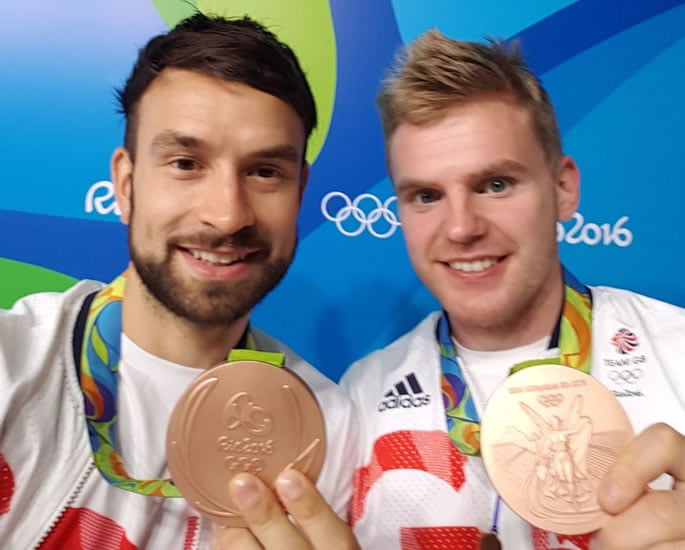
Chris Langridge, who won men’s doubles bronze at the Rio 2016 Olympics, encountered that reality while commentating in China after retirement.
He told The Telegraph: “I was eating dinner in a mall and I heard someone shout my name.
“I turned around and this guy was running towards me.
“He was reeling off all these statistics. I actually think he knew more about my career than I did.”
Such recognition contrasts sharply with life back home, as Langridge admitted:
“Over here, I’ve probably been recognised once or twice in my entire career.”
Despite badminton’s British origins, elite players operate largely outside public consciousness, even at the peak of their careers.
Participation Without Progression
At first glance, British badminton appears healthy.
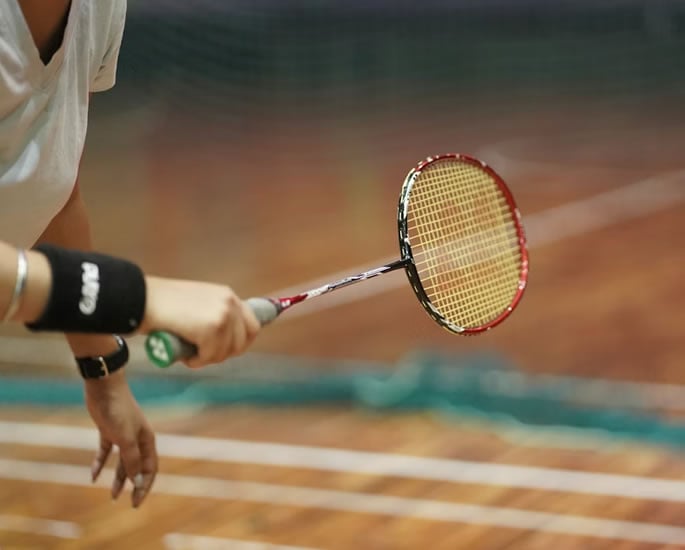
The latest Active Lives survey recorded 2.87 million participants last year, with 810,000 playing at least twice a month.
Those figures place it close to tennis, yet the comparison reveals deeper structural differences.
Most badminton participation takes place in multi-use leisure centres rather than dedicated clubs. Players tend to fit sessions around work or study, with limited access to sustained coaching or competitive pathways.
By contrast, tennis and squash offer clearer club-based routes from junior level to performance environments.
Olympic success has arrived sporadically since the sport’s inclusion in 1992.
Gail Emms and Nathan Robertson claimed silver in Athens, while Langridge and Marcus Ellis delivered a surprise bronze in Rio. Since then, progress has stalled.
Pressure has also increased from rival racket sports.
Padel participation more than doubled this year to around 500,000, while pickleball continues to expand quietly. Its appeal lies in convenience rather than tradition.
Ethan Rose, who is ranked Britain’s number two in badminton, said:
“Pickleball is on three days a week here. It runs from nine till 11, so those are hours I can’t practice.”
In crowded sports halls, flexibility often outweighs sporting heritage.
Funding Gaps and the Cost to Careers
Financial instability has deepened these challenges.
After the Rio Olympics, UK Sport cut badminton funding from £5.7m to zero overnight, despite the recent medal success.
Partial funding later returned at £3.8m, alongside £1.5m for Paralympic badminton, but the sport remains a lower priority within the elite system.
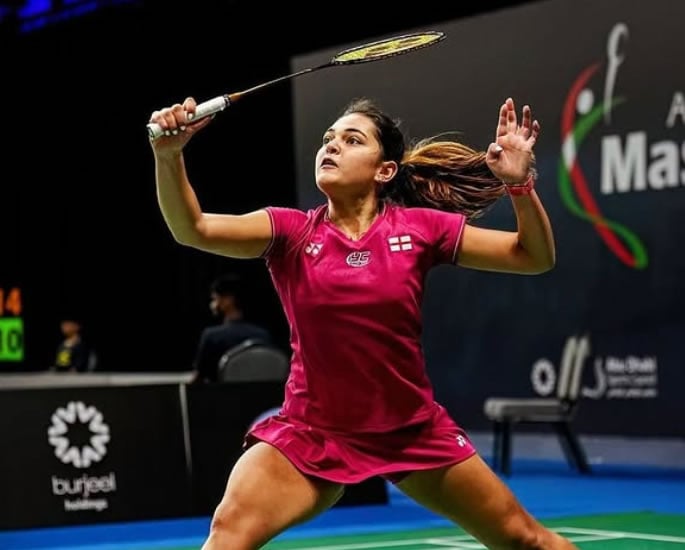
England player Freya Patel-Redfearn said: “We did get some back on the last cycle, but it’s a tight budget and a lot more things have to be self-funded.
“The main income for many players comes from the European leagues. I play for Ezanville in France, but it’s difficult because those matches can clash with the tournaments you need for your ranking.”
Career planning now runs alongside competitive ambition, as Patel-Redfearn added:
“I’m about to complete an online sports science degree. Much as I love badminton, I’m reaching the point where I’m starting to think about my future.”
Rose’s pathway has been similarly shaped by structural limitations. Training outside the national centre in Milton Keynes, he forgoes funding in exchange for autonomy.
Rankings, Revival and a Closing Window
Britain’s historical Olympic return still places it seventh overall, but current rankings illustrate the scale of decline.
Harry Huang sits at No 65 in men’s singles, while Patel-Redfearn trails further back. Scottish veteran Kirsty Gilmour stands out at No 27, and men’s doubles pair Sean Vendy and Ben Lane remain competitive at No 15.
There are signs of renewed momentum. Weekly participation recently reached 443,000, the highest since records began in 2017.
Online retailer BadmintonHQ reported a 24% rise in equipment sales over the past year. The National Badminton League also returned after an eight-year absence, with matches live-streamed online.
The quality was evident, with smashes approaching 300mph and contrasting demands between singles and doubles on display.
Attendance, however, remained modest, and the setting felt understated rather than commercially ambitious.
Langridge believes the direction of travel remains uncertain:
“In simple terms, we’re getting worse. When you lose all your funding overnight, that’s always going to send a shockwave through the sport.”
Still, he sees opportunity in the next generation.
“The next two or three years are crucial. We really don’t want to go down that road.”
British badminton continues to sit between two realities: mass participation and limited elite impact.
The sport’s popularity remains undeniable, but pathways, funding and visibility lag behind global standards.
Recent growth offers cautious encouragement, not resolution.
Whether Britain can reconnect grassroots enthusiasm with sustained international success now depends on decisions made in the immediate future, rather than nostalgia for what once was.