
















































a “wind-down routine” is commonly considered as part of sleep hygiene.
Salt stomping may help create a relaxing bedtime ritual, but there is no convincing evidence that standing on salt directly improves sleep.
The unusual wellness trend has gained attention on social media, with people claiming it helps them relax before bed.
The practice involves standing barefoot on coarse salt for several minutes, often as part of a nighttime routine.
Supporters have linked it to relaxation, stress relief, and better sleep, although the scientific evidence behind these claims remains limited.
Its growing popularity has left many people curious about whether the ritual is genuinely beneficial or simply another viral wellness trend.
What Is Salt Stomping?
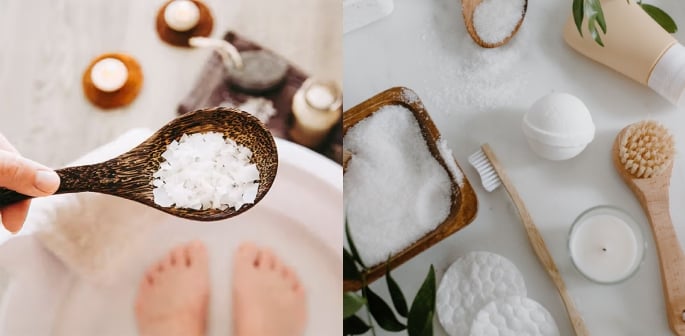
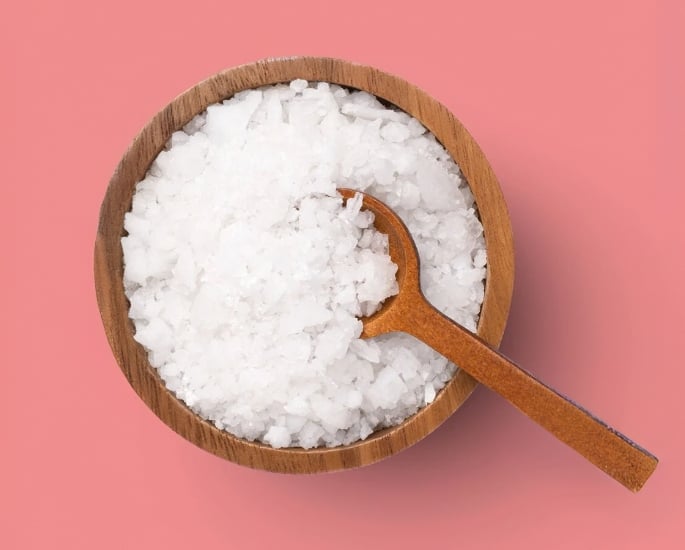
Salt stomping involves placing a layer of salt inside a shallow tray before standing on it barefoot for around 10 minutes.
The excess salt is then rinsed off before getting into bed.
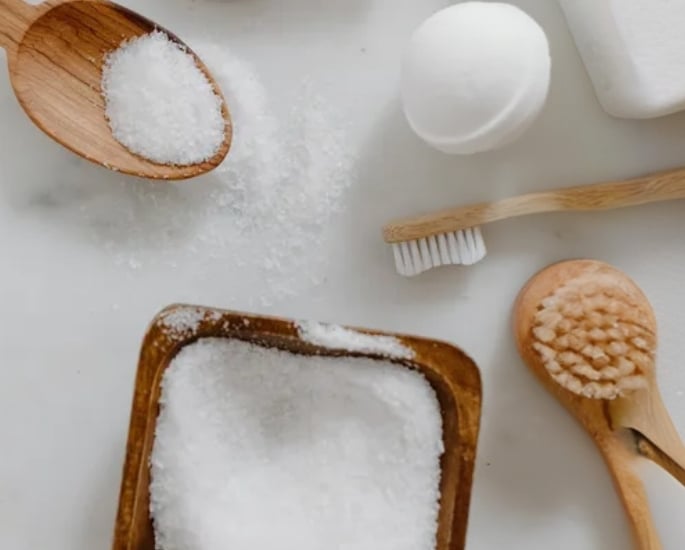
Different versions use ingredients such as Epsom salt or coarse sea salt, while people describe the sensation beneath their feet as grounding and relaxing.
The trend has gained popularity on social media, where wellness creators regularly share nighttime routines focused on relaxation and better sleep.
Its unusual appearance, simplicity, and minimal equipment make it easy to recreate at home.
Celebrity involvement has also brought greater attention to the practice, with Indian actress and television personality Roshni Chopra recently sharing her experience with Epsom salt stomping and describing it as relaxing and grounding.
For many people, its appeal lies in turning a simple sensory experience into a mindful pause before bed.
Does Salt Stomping Improve Sleep?

Claims that salt stomping can reduce cortisol, increase serotonin, or improve sleep have gained attention online, but clinical research has not established these effects.
Similar claims have been made about Epsom salt, particularly the idea that standing on it allows the body to absorb significant amounts of magnesium through the feet.
Magnesium is an essential mineral involved in numerous processes throughout the body, including normal muscle and nerve function.
However, standing on dry Epsom salt has not been shown to provide enough magnesium through the skin to produce meaningful effects on sleep.
When it comes to improving sleep, researchers place greater emphasis on established sleep habits.
A review published in Progress in Cardiovascular Diseases states that “the best treatment for long-term sleep improvement is proper sleep hygiene through behaviour and sleep habit modification”.
The authors include a regular bedtime routine among their recommendations.
This distinction matters when considering viral wellness trends, as feeling calmer after a bedtime ritual does not necessarily mean the salt itself is responsible for the effect.
Why Might People Feel More Relaxed?

One possible reason people feel more relaxed after salt stomping is the bedtime ritual itself.
Spending around 10 minutes away from phones, work, and other distractions can create a valuable pause before sleep.
The sensation of coarse salt beneath the feet may also encourage people to focus on what they are feeling in the moment.
This can make the experience feel grounding and help create a calmer transition between the day and bedtime.
Building a consistent wind-down routine may also make it easier to mentally switch off and prepare for sleep.
A 2024 review of 548 adult studies found that a “wind-down routine” is commonly considered as part of sleep hygiene.
Salt stomping may therefore appeal as a simple relaxation ritual, particularly when combined with other calming habits before bed.
Does Epsom Salt Help You Sleep?
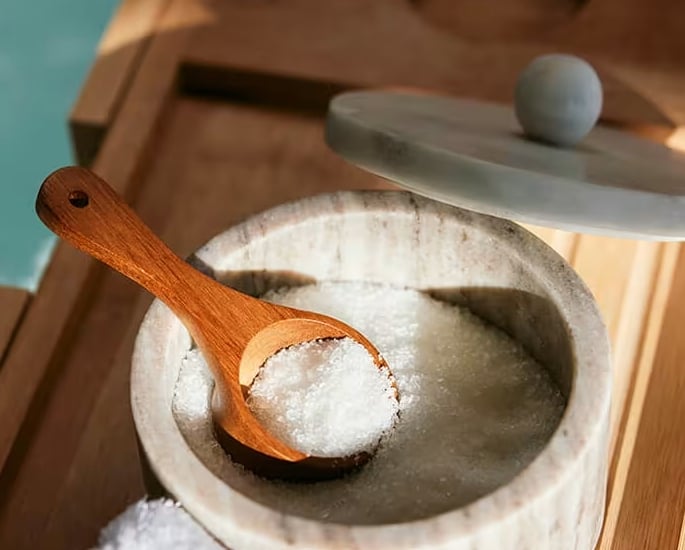
Epsom salt is often associated with salt stomping because it contains magnesium sulphate, a compound made up of magnesium, sulphur and oxygen.
Magnesium is an essential mineral involved in numerous processes throughout the body.
Research describes it as “an important micronutrient essential for various biological processes”.
However, consuming magnesium and standing on dry Epsom salt are very different ways of encountering the mineral.
The presence of magnesium in Epsom salt does not automatically mean that significant amounts are absorbed through the skin when someone stands on it.
This is particularly important when considering online claims that Epsom salt stomping can provide major health benefits.
A 2026 study investigating magnesium sulphate and skin absorption found “minimal magnesium permeation” across intact skin.
The researchers concluded that transdermal magnesium delivery from simple solutions is “unlikely under normal physiological conditions.”
While Epsom salt may be part of a relaxing bedtime ritual, it should not be presented as a proven treatment for health conditions.
Can Salt Stomping Harm Your Feet?

Although salt stomping appears simple, coarse salt may cause discomfort, particularly for people with sensitive or irritated skin.
Salt can also sting when it comes into contact with cuts, cracks, or other areas of broken skin.
Research on salt-containing solutions has found that they can produce a stinging sensation in people with atopic dermatitis.
Salt may also sting when it comes into contact with cuts, cracks, or other areas of broken skin.
Prolonged contact can contribute to dryness, especially when the skin barrier is already irritated or compromised.
People with existing foot sensitivity or skin concerns should therefore take care when trying the practice.
If salt stomping causes persistent discomfort or irritation, it is best to stop rather than continue the routine.
The practice should also be viewed as a relaxation ritual rather than a replacement for appropriate medical advice or treatment.
Should You Try Salt Stomping?

For healthy adults, salt stomping may simply offer an unusual way to create a short period of relaxation before bed.
The practice is easy to incorporate into an evening routine, particularly for people looking for a simple break from screens and daily pressures.
Its appeal may come from the mindful pause it creates, rather than the salt itself.
Other calming activities, such as reading, gentle stretching, listening to relaxing music or putting your phone away, can also help create a peaceful transition towards bedtime.
Research published in Progress in Cardiovascular Diseases describes “maintaining a consistent sleep/wake schedule” and having “a regular bedtime routine” among recommendations for improving sleep.
The most useful bedtime routine is one that feels comfortable, relaxing, and realistic enough to maintain consistently.
The Verdict On Salt Stomping
Salt stomping is not a scientifically proven way to improve sleep, but it may provide a relaxing pause before bedtime.
The trend’s appeal appears to come from its simple, sensory ritual and the opportunity to step away from screens and daily distractions.
Epsom salt may be part of the practice, but its magnesium content does not mean significant amounts are absorbed through the feet.
For people who enjoy the ritual, it can form part of a wider wind-down routine alongside established sleep habits.
Ultimately, when it comes to better sleep, the calming routine is likely to matter more than the salt beneath your feet.