
















































"it can actually be part of a healthy diet"
Navigating the cooking oil aisle in any British supermarket can feel like a daunting task.
On one side, you have the familiar, budget-friendly bottles of vegetable and sunflower oil; on the other, the pricier, premium extra virgin olive, avocado, and coconut oils, each claiming superior health benefits.
For decades, fats and oils have been at the heart of a fierce nutritional debate, with messages shifting like culinary trends.
This constant flood of conflicting information can leave anyone feeling overwhelmed, especially when trying to balance health with the rich, vibrant traditions of South Asian cuisine.
We look at how to choose the right oils for your health, your wallet, and your favourite recipes.
Understanding the Fats in Your Food

Before choosing the right oil, it’s important to understand what the reality is.
Cooking oils are essentially pure fat, but not all fats are created equal.
They are broadly categorised into saturated, monounsaturated, and polyunsaturated fats, and each type behaves differently in our bodies.
The main concern is their effect on cholesterol, a fatty substance vital for our body’s functions but problematic when levels of ‘bad’ cholesterol, or LDL (low-density lipoprotein), become too high.
Excess LDL cholesterol can lead to fatty deposits building up in our arteries, narrowing them and increasing the risk of cardiovascular disease.
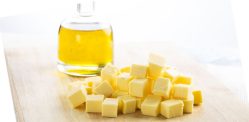
In many British Asian households, traditional fats like ghee and butter, which are high in saturated fat, are prized for their rich flavour.
While culturally significant, a diet high in saturated fat can raise that harmful LDL cholesterol.
In contrast, unsaturated fats, both monounsaturated (found in olive and rapeseed oil) and polyunsaturated (found in sunflower oil and oily fish), can help lower bad cholesterol and are beneficial for heart and brain health.
The key isn’t to eliminate fat entirely, but to strike the right balance and prioritise the healthier, unsaturated varieties in our daily cooking.
Everyday Oils That Deserve More Credit
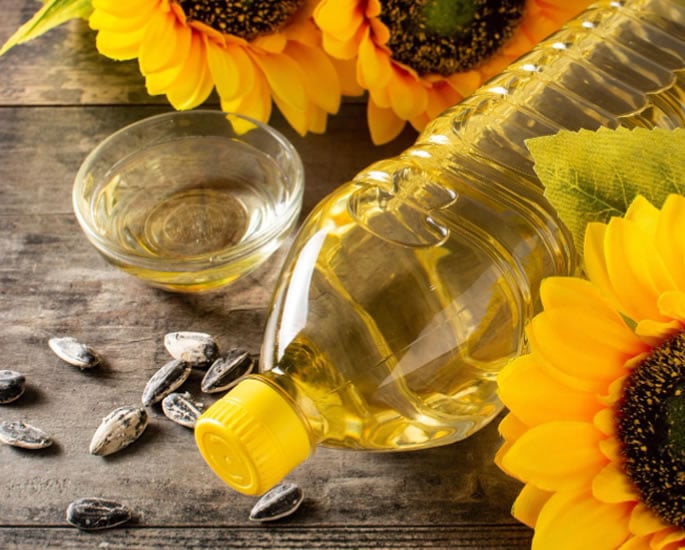
For years, rapeseed oil (often sold simply as vegetable oil) and sunflower oil have been unfairly maligned, with online claims branding them as “ultra-processed” toxins that cause inflammation.
However, scientific evidence does not support these accusations.
In reality, these oils are good choices for everyday cooking.
They are low in unhealthy saturated fats, typically containing only 5-10%, and rich in healthier mono- and polyunsaturated fats. These polyunsaturated fats include omega-3 and omega-6, which are essential fatty acids that our bodies cannot produce on their own and must get from our diet.
Professor Nita Forouhi from the MRC Epidemiology Unit at the University of Cambridge says these oils are “absolutely good for us”.
She explains that a significant reduction in disease risk can be achieved “when saturated fats like butter, lard or ghee are replaced with these oils”.
For the South Asian diet, this is a particularly powerful message.
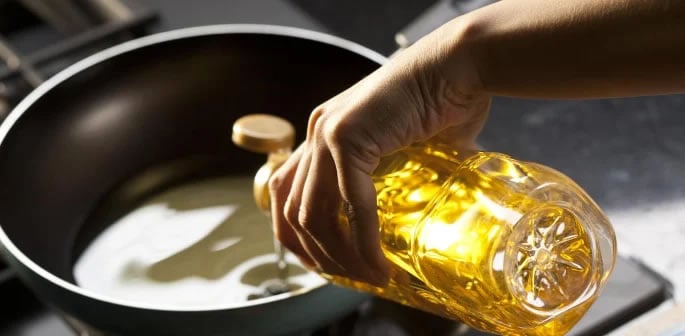
Simply swapping out ghee for rapeseed or sunflower oil when making your daily tadka, preparing a sabzi, or frying onions for a curry base is a small change that can have a big impact on your cardiovascular health.
At around £2 per litre, they are also the most budget-friendly option for families.
Similarly, margarine’s reputation is long overdue for a reassessment.
Many of us grew up hearing it was something to be avoided, a relic of an unhealthy past. This was because it used to contain harmful artificial trans fats, which are strongly linked to heart disease.
However, modern margarines sold in the UK “have close to zero amounts of trans fats,” says Professor Forouhi.
She adds: “So it can actually be part of a healthy diet and reduce the bad cholesterols.”
Matching the Oil to the Occasion

Choosing the right oil isn’t just about the type of fat it contains; it’s also about how you plan to cook with it.
Oils behave differently when heated, and this is measured by their ‘smoke point’ – the temperature at which the fats begin to break down, releasing unpleasant, bitter-tasting compounds and potentially harmful free radicals.
Using an oil above its smoke point can ruin the flavour of your food and strip away its nutritional benefits.
Extra virgin olive oil, for instance, is celebrated for its antioxidant content and heart-healthy monounsaturated fats.
However, it has a relatively low smoke point, making it unsuitable for high-temperature cooking.
Its delicate flavour and beneficial compounds are best preserved when used in salad dressings, dips like hummus, or for drizzling over dishes just before serving.
For shallow frying, a regular, refined olive oil is a more stable choice.
When it comes to high-heat methods common in Desi cooking, from searing kebabs to deep-frying samosas and pakoras, a stable oil is non-negotiable.
According to BHF dietitian Victoria Taylor, refined oils are the superior choice for high-temperature cooking.
She advises: “Oils with more monounsaturated fats, such as rapeseed and olive, are also less susceptible to heat.
“Rapeseed oil (often sold as generic vegetable oil) and inexpensive olive oil are therefore the best choices for cooking.”
Sunflower oil also has a high smoke point, making it another reliable and affordable hero for deep frying.
This doesn’t mean you have to banish traditional fats from your kitchen entirely.
Ghee has an unmatched flavour and a cultural reverence that cannot be ignored. However, given its high saturated fat content, it’s best treated as a finishing ingredient for flavour rather than a primary cooking medium.
Consider preparing your dal with vegetable oil and adding a small teaspoon of ghee at the end for that authentic aroma and taste.
This approach allows you to honour tradition while prioritising your heart health.
The world of cooking oils doesn’t have to be confusing.
The consensus is clear: for most of your cooking needs, especially those requiring high heat, a bottle of rapeseed or sunflower oil is an excellent, healthy, and affordable choice.
Keep a high-quality extra virgin olive oil on hand for dressings and finishing touches to maximise its flavour and health benefits.
And as for beloved traditional fats like ghee, they still have a place in the modern Desi kitchen, but as a flavourful garnish enjoyed in moderation, not the everyday workhorse.
By adopting this simple strategy of using the right oil for the right purpose, you can continue to create the delicious meals you love while making a positive and lasting investment in your health.