














































Colour becomes a language of celebration.
Diwali is one of the most vibrant and joyous festivals celebrated across South Asia and beyond.
The Festival of Lights is synonymous with colour, symbolising positivity, prosperity, and renewal.
Every shade holds deep cultural meaning, transforming homes and wardrobes into radiant expressions of tradition and joy.
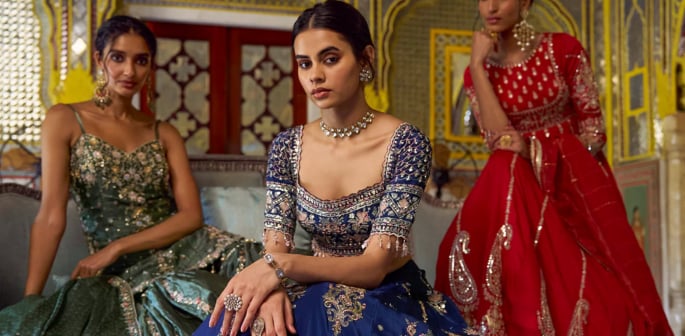
From gold and red to green and blue, Diwali fashion embraces hues that tell stories of wealth, knowledge, and spiritual awakening.
Understanding the symbolism behind each colour not only elevates your festive style but also deepens your connection to the celebration’s true essence.
Gold: The Glow of Prosperity
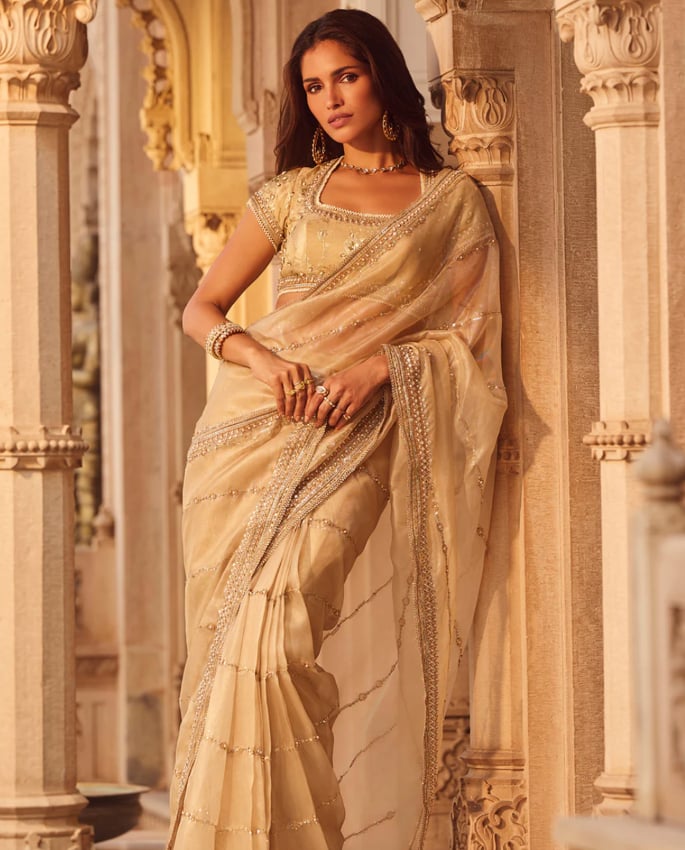 Gold is undoubtedly the most symbolic colour of Diwali, representing wealth, abundance, and divine light.
It reflects the brightness of diyas that illuminate homes and hearts during the festival.
Wearing gold during Diwali invites prosperity and positivity, making it a timeless choice for festive attire.
Whether through zari embroidery, jewellery, or shimmery fabrics, gold exudes elegance and optimism.
The colour’s association with luxury and success also aligns with Lakshmi Puja, when devotees honour the goddess of wealth.
Gold’s radiant glow captures the essence of Diwali, the victory of light over darkness and good over evil.
Red: The Hue of Power and Auspiciousness
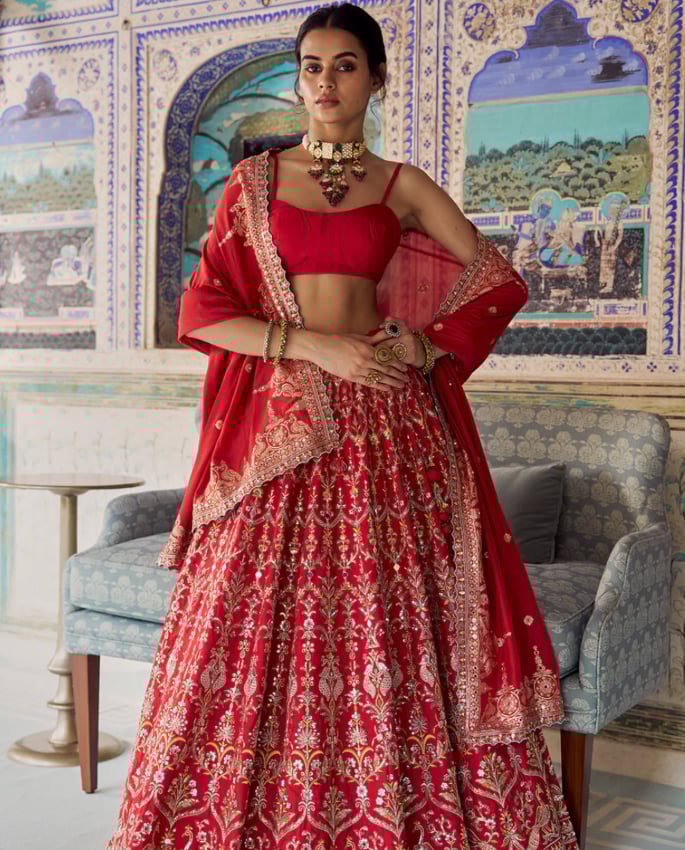 Red stands as a colour of strength, energy, and auspicious beginnings during Diwali.
It is deeply connected to the goddess Durga, symbolising courage, love, and protection.
Many choose to wear red sarees, lehengas, or kurtas as a way of invoking good fortune and passion.
The shade enhances the celebratory spirit while complementing gold accents beautifully.
Red also represents life force and the sacred bond between family and faith, both of which are at the heart of the festival.
By incorporating red into your Diwali outfit, you embrace a timeless tradition that radiates power and positivity.
Yellow: The Colour of Joy and Knowledge
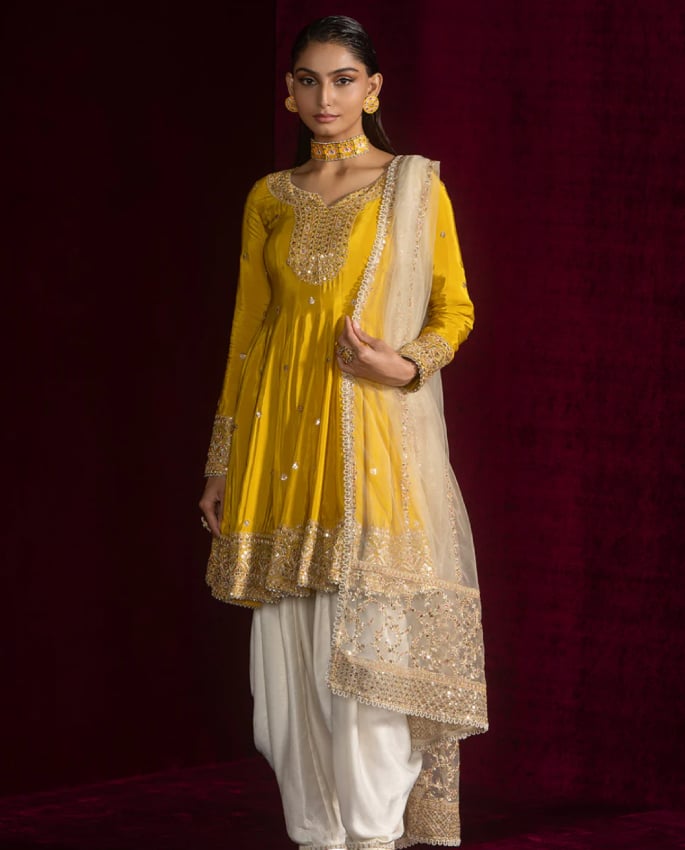 Yellow embodies the spirit of happiness, wisdom, and enlightenment that defines Diwali.
It brings warmth and optimism, echoing the festival’s focus on renewal and positive energy.
Wearing yellow during Diwali celebrations symbolises clarity of thought and the pursuit of knowledge.
The colour is often linked to Lord Vishnu, representing stability and truth.
Whether in soft pastel shades or bold golden tones, yellow brightens gatherings and complements festive décor such as marigolds and rangoli.
It is a colour that uplifts the mood and perfectly captures the joyful essence of the season.
Green: The Shade of Growth and New Beginnings
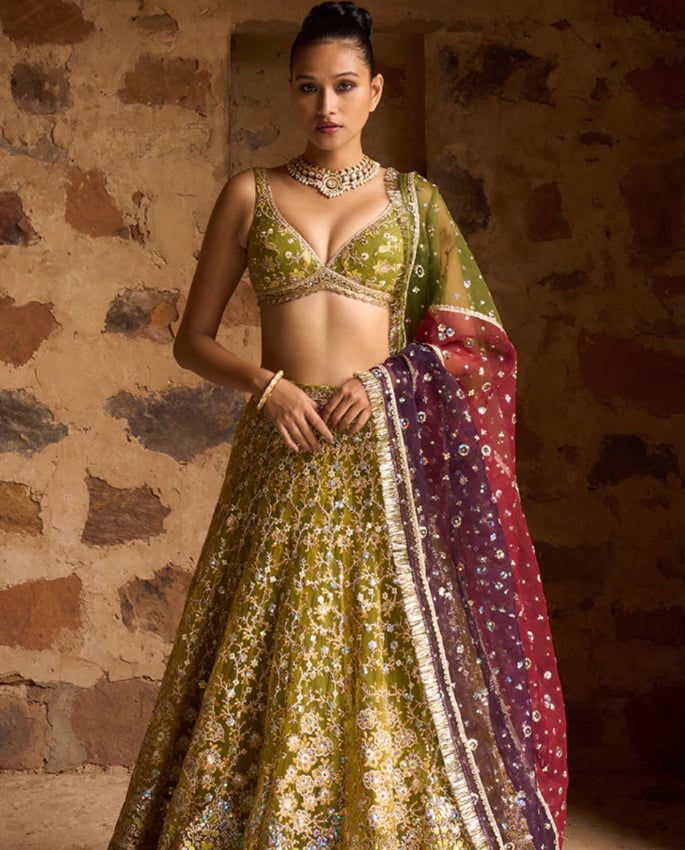 Green represents growth, peace, and new beginnings, making it a perfect choice for Diwali festivities.
It reflects the renewal that follows the victory of light and goodness.
Wearing green symbolises harmony with nature and a desire for balance and prosperity in life.
The shade is often associated with hope and fertility, adding freshness to traditional outfits.
Emeralds, jade accents, or silk fabrics in varying tones of green can transform any festive look.
As families celebrate togetherness, green reminds us of continuity, resilience, and the beauty of fresh starts.
Blue: The Colour of Spiritual Depth
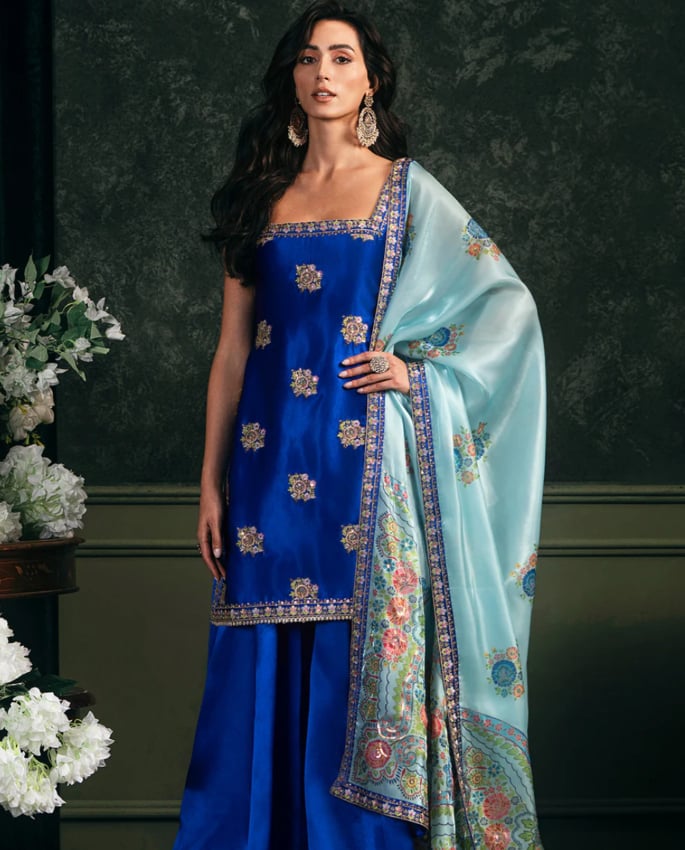 Blue is the colour of divinity, spirituality, and wisdom, inspired by deities like Lord Krishna and Lord Rama.
It signifies truth and calmness amid the lively energy of Diwali celebrations.
Incorporating blue into your wardrobe adds a serene yet regal element to festive dressing.
Deep navy, royal blue, or turquoise tones bring sophistication while representing the infinite nature of the sky and sea.
The colour encourages introspection and spiritual growth, connecting wearers to the deeper meaning of the festival.
Blue is an elegant choice for those seeking balance between festive splendour and inner peace.
Pink, Orange, and Purple: The Colours of Celebration
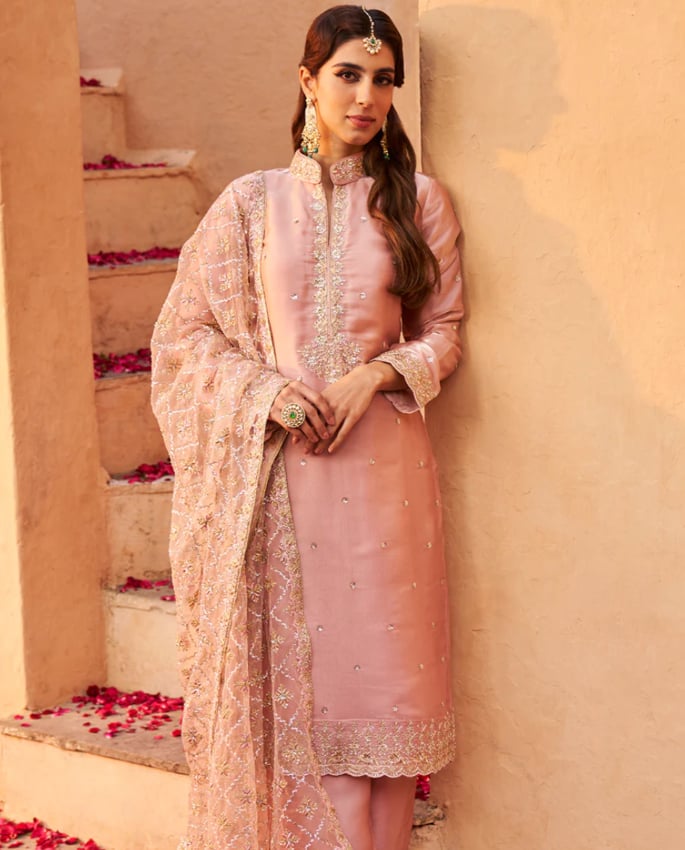 Pink, orange, and purple together embody the joyous and luxurious side of Diwali fashion.
Pink signifies love, happiness, and warmth, creating a cheerful and affectionate atmosphere.
Orange radiates enthusiasm and excitement, often seen in vibrant décor and traditional attire.
Purple, on the other hand, reflects royalty, grandeur, and spirituality, making it ideal for evening celebrations or religious gatherings.
These colours blend tradition with modern style, allowing personal expression while maintaining cultural richness.
Choosing these hues reflects the lively diversity and emotional depth that make Diwali truly special.
White: The Symbol of Purity and Peace
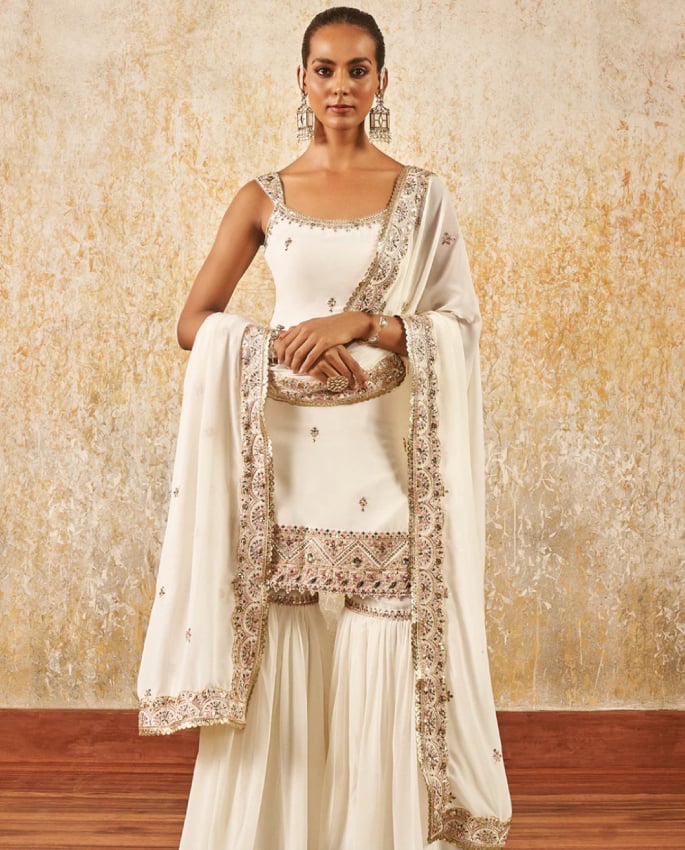 White may seem understated, yet it holds deep spiritual importance during Diwali.
It symbolises purity, peace, and renewal, qualities that align with the festival’s central message of transformation.
Wearing white or ivory ensembles offers a refreshing balance amid the festival’s vivid palette.
The colour’s simplicity allows for creative embellishments through gold or colourful accessories.
It also serves as a reminder of clarity and inner calm amid the celebrations.
White’s timeless appeal makes it an elegant and meaningful choice for those who value serenity.
Diwali is not just about light but also about the vibrant spectrum of colours that express emotion, faith, and unity.
Each hue holds symbolic meaning, transforming every outfit into a reflection of the festival’s values.
From gold’s divine glow to green’s promise of renewal, colour becomes a language of celebration.
By thoughtfully choosing these shades, one can embrace both style and significance in their festive wardrobe.
Ultimately, the colours of Diwali remind us that beauty lies not just in how we look but in the light we share with others.