















































“This initiative is an exciting step forward"
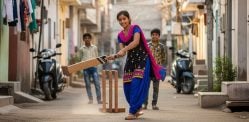
Cricket is shaping new futures for girls in Pakistan through a bold partnership focused on education, opportunity, and empowerment.
Bat For a Chance (BFAC), King’s Trust International (KTI), and the PAGE Foundation have joined forces to integrate cricket into KTI’s “Achieve” qualification.
The initiative places sport at the centre of practical learning, helping girls apply vital skills beyond the classroom.
It also establishes safe and inclusive spaces in communities where access to sport remains limited.
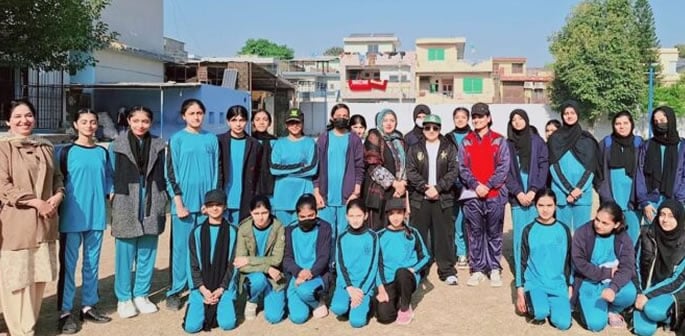
The pilot offers a glimpse into how cricket can unlock confidence, leadership, and long-term change for young women across Islamabad and Rawalpindi.
A New Model of Education
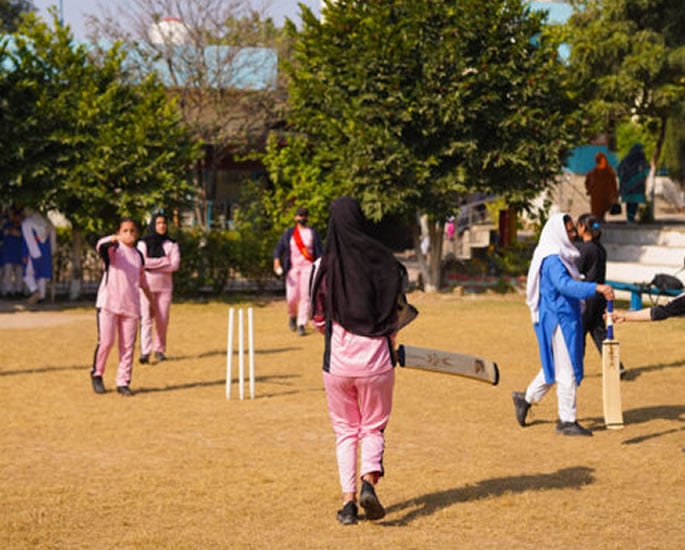
The collaboration between BFAC and KTI introduces cricket into the Achieve programme for the first time.
Delivered with the PAGE Foundation, the pilot blends coaching with life skills over a three-month period before ending with a six-a-side cricket festival.
The aim is to turn cricket into a hands-on learning tool that helps girls connect teamwork, communication, and leadership with real situations on the pitch.
Will Straw, CEO of King’s Trust International, said the project aligns with the organisation’s mission to nurture potential through action-based education:
“We are thrilled to collaborate with Bat For a Chance and Pakistan Alliance for Girls Education to empower young girls through sport.
“Integrating cricket into our Achieve programme allows participants to learn by developing critical life skills and building self-confidence that extend far beyond the classroom.
“It shows how inclusive, action-based learning can help young people to thrive.”
Designed under the guidance of former Pakistan player and current Test head coach Azhar Mahmood, the curriculum goes beyond cricket technique.
Sessions embed lessons about gender equality, resilience, and community leadership.
The structure encourages girls to recognise their own capability, both as athletes and as future leaders.
Ebba Quershi, Trustee of Bat For a Chance and Founder of FemGames, said the initiative offers girls something many have never experienced.
She said:
“Cricket is more than a game, it’s a vehicle for learning, growth, and empowerment.”
“For many of these girls, this will be the first time they’ve had the chance to play sport in a safe, structured space.
“We want them to feel confident, valued, and inspired to realise that the same teamwork and courage they show on the pitch can help them achieve their ambitions off it.”
Breaking Barriers

Many girls in Pakistan grow up with limited access to organised sport due to social and cultural restrictions.
This partnership provides a secure, community-backed environment where they can learn, play, and develop without fear or judgment.
Coaches trained through the programme prioritise emotional development alongside cricket skills, helping every participant feel valued.
Each session encourages friendship, resilience, and mutual respect. These qualities build the foundations for girls to see their own potential in new ways.
The initiative also aims to shift community perceptions, showing how sport can strengthen families and neighbourhoods as much as it strengthens individual confidence.
Dr Tariq Cheema, chair of PAGE Foundation, highlighted how impactful this model can be.
He said: “This initiative is an exciting step forward in creating opportunities for girls to thrive.
“By combining sport with social learning, we are helping young women break barriers, realise their potential, and gain the confidence to lead both on and off the field.
“The sense of joy, safety, and pride that cricket brings is transformative; it empowers communities as much as it empowers the girls themselves.”
The pilot forms part of BFAC’s Cricket for Social Change Fund, launched in 2022 to support global education and inclusion.
This project is the fourth under the Fund and reinforces the charity’s belief that cricket can bridge gaps in opportunity, particularly in underserved areas.
The BFAC–KTI–PAGE partnership offers a new blueprint for how sport can drive social progress for girls in Pakistan.
By combining cricket with practical education, the initiative gives young women the confidence and skills to succeed in their communities and beyond.
With plans to scale nationwide in 2026, the pilot represents the beginning of a wider movement.
It shows how cricket, when paired with the right support, can change not only how girls play but how they lead, learn, and thrive.